

Custom Kraft Paper Sushi Box with Window for Eco Sourcing
2026-06-17 21:05
Sourcing Premium Disposable Sushi Trays: The B2B Guide to Balancing Eco-Compliance, Product Freshness, and Ship
ping Efficiency
The global pan-Asian and premium sushi catering sectors are experiencing unprecedented growth. However, this expansion coincides with severe regulatory crackdowns on single-use plastic packaging across major markets in North America and Europe. For commercial food service providers, regional distributors, and large-scale quick-service restaurant (QSR) chains, the challenge is no longer just about finding a container—it is about securing a compliant, high-performance, and cost-effective supply chain.
Traditional full-plastic thermoformed sushi containers are facing increasing consumer pushback and plastic tax penalties. Conversely, poorly engineered paper alternatives often fail under the structural stress of moisture and oil, destroying food presentation during transit.
To bridge this gap, industrial packaging manufacturers like Orderpack (odpack.com) have engineered hybrid disposable sushi trays combining premium engineered paper bases with ultra-clear engineered lids. This comprehensive technical guide analyzes how sourcing these commercial packaging solutions solves the triple challenge of regulatory compliance, cold-chain freshness preservation, and global maritime logistics optimization.
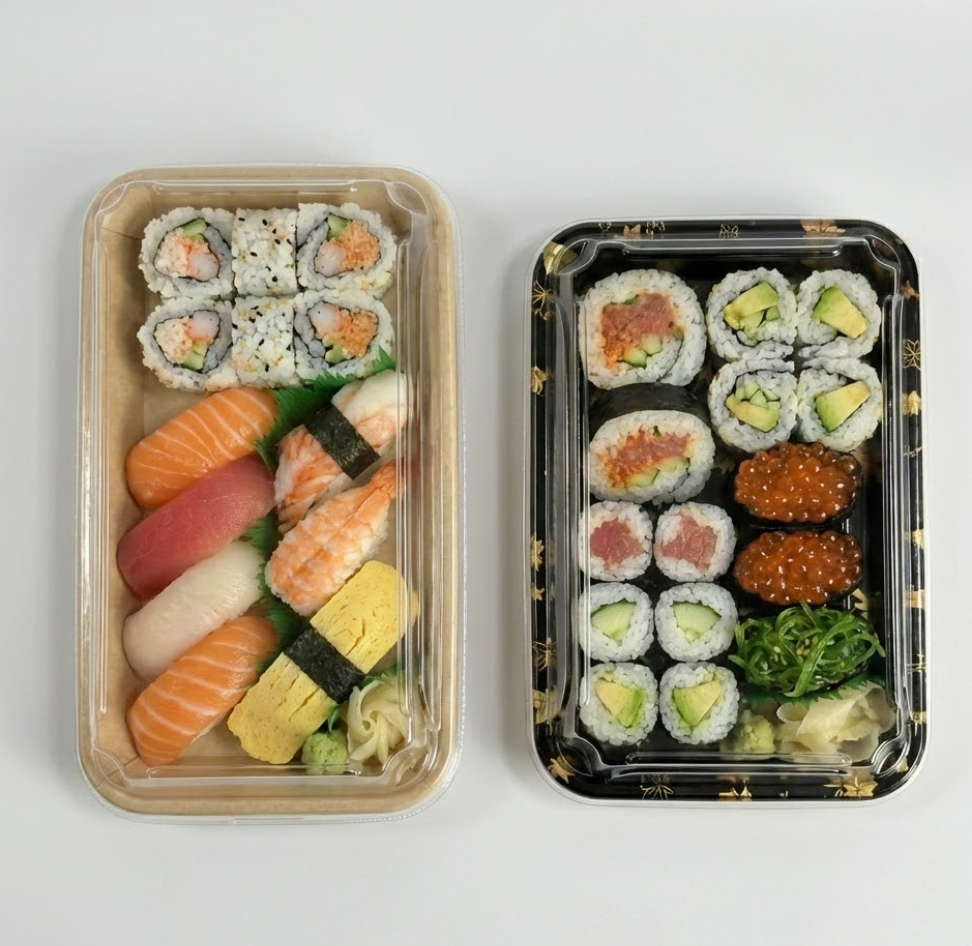
(Kraft Blank / Maple Leaf Motif)
1.Material Architecture and Global Regulatory Compliance
Commercial food packaging must satisfy a fragmented global regulatory landscape. A reliable packaging partner must offer flexible material formulations to ensure seamless market entry across different jurisdictions.
Flexible Base Linings: PE vs. PLA Formulations
The base of a premium disposable sushi tray must resist sushi rice vinegar, soy sauce, and natural fish oils without losing structural integrity. Orderpack solves this by providing dual lining options tailored to specific market requirements:
PE (Polyethylene) Lining Option: Ideal for markets where traditional cost-effective recycling infrastructure is utilized. The PE barrier provides an exceptional moisture and grease barrier, preventing the kraft fibers from softening or leaking during long-term refrigeration display.
PLA (Polylactic Acid) Lining Option: Engineered specifically for brands operating under strict single-use plastic bans, such as the European Union’s Single-Use Plastics Directive (SUPD) or strict municipal ordinances in California and New York. Derived from renewable cornstarch, the PLA lining offers a 100% biodegradable and bio-based barrier that performs identically to traditional plastic liners while aligning with corporate environmental, social, and governance (ESG) mandates.
High-Performance Recyclable PET Lids
While the base prioritizes fiber-based sustainability, the closure system requires rigid engineering. The accompanying high-profile snap-on lids are manufactured using premium PET (Polyethylene Terephthalate). PET is globally recognized as the most highly recycled plastic material (Resin Identification Code 1). By pairing a sustainable paper base with a universally recyclable PET closure, the packaging maximizes structural safety while maintaining a realistic, circular economy recycling loop.
2. Overcoming Cold-Chain Obstacles: Presentation & Structural Security
Sushi is a premium, visual-first cuisine. Sourcing managers must evaluate how packaging performs under commercial refrigeration and delivery transit.
Anti-Fog Technology for Uncompromised Visual Display
When chilled sushi trays are transferred from cold preparation stations to ambient delivery vehicles or heated retail display cases, condensation naturally forms on the interior of the lid. Standard plastic lids quickly become obscured by water droplets (fogging), hiding the premium product and dramatically reducing impulse-purchase conversion rates in retail settings.
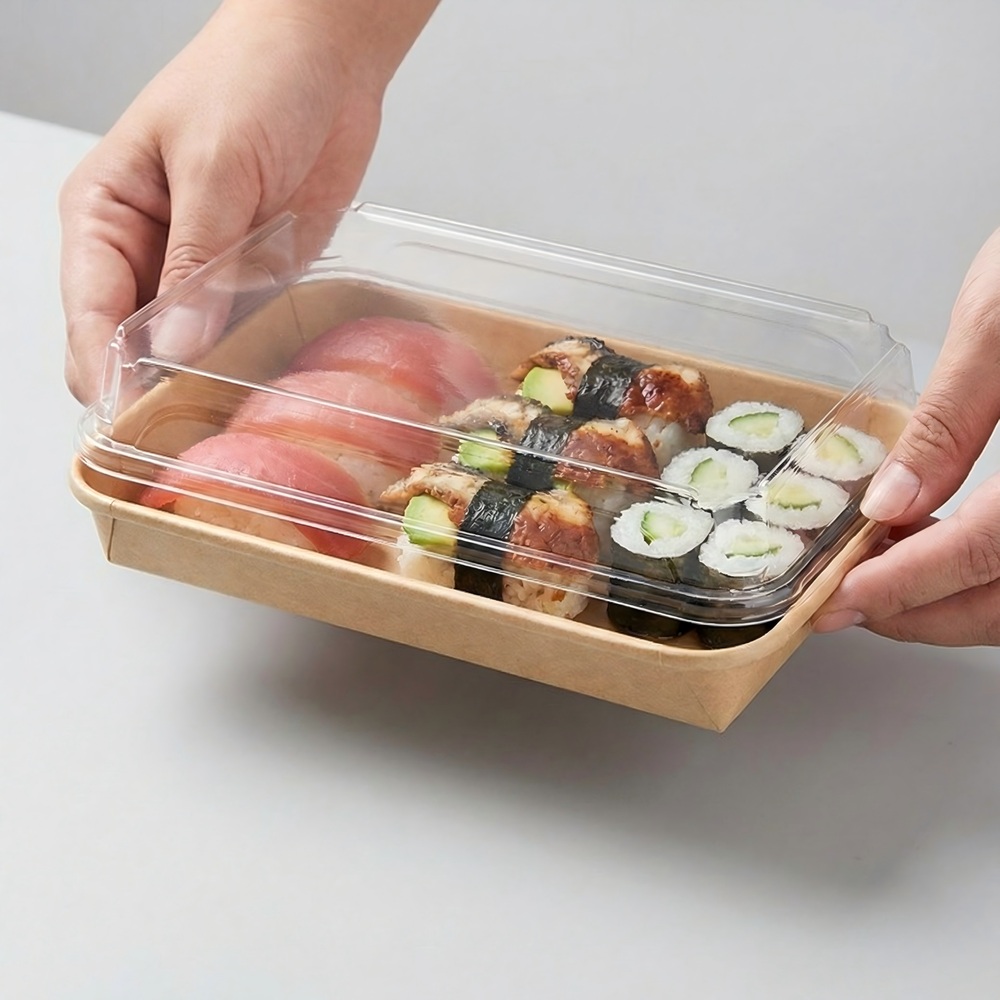
To eliminate this retail bottleneck, Orderpack offers an advanced anti-fogging treatment option for the PET lids. This food-safe, microscopic surface modification prevents water vapor from forming scattering droplets. Instead, moisture spreads into a continuous, microscopic flat sheet of water that remains perfectly transparent. This ensures that high-value items—such as premium maki, nigiri, and sashimi—retain maximum visual appeal and clarity under changing temperature profiles.
Engineered Snap-Lock Precision to Eliminate Transit Leaks
Food delivery apps and third-party logistics have lengthened the transit chain. Packaging must withstand vibrations, sudden drops, and rough handling by couriers.
The interlocking rim mechanics between the kraft paper base and the PET lid are precision-calibrated. The continuous perimeter snap-lock design provides audible feedback when sealed, ensuring that catering staff can pack orders rapidly with zero ambiguity. This structural seal ensures a highly secure, leak-resistant enclosure that contains liquids and keeps the content stable, drastically reducing customer complaints regarding messy transit failures.
3. Commercial Scaling: MOQ Structures and Tailored Branding
A major operational pitfall for scaling food businesses is rigid supply chains that do not accommodate volume transitions. Successful procurement requires scalable Minimum Order Quantity (MOQ) structures that match market growth phases.
| Product Packaging Variation | MOQ (Minimum Order Quantity) | Primary Commercial Application |
| Unprinted/Plain Kraft Trays | 10,000 Pieces | Rapid market testing, low inventory overhead, immediate deployment for small-scale local chains. |
| Stock Japanese Maple Leaf Motif | 30,000 Pieces | Cost-effective premium branding utilizing pre-engineered cultural designs to elevate aesthetic appeal. |
| Fully Customized Brand Printing | 10,0000 Pieces | Enterprise-level brand scaling, comprehensive color-matched corporate identity, high-volume cost efficiency. |
Low Barrier Testing with Unprinted Containers
For culinary operations launching new product lines or distributors testing market demand, large financial outlays for custom print runs represent unnecessary risk. With a low entry-level barrier of 10,000 pieces, procurement departments can secure premium-grade, plain unprinted kraft paper trays to establish operational baselines without tying up excessive working capital in inventory.
Cultural Aesthetics with Low-MOQ Stock Prints
Presentation style influences consumer perception of food quality. To provide an intermediate step between plain packaging and full custom printing, Orderpack offers a beautifully engineered stock print featuring a traditional Japanese Maple Leaf (Momiji) motif. Available at a highly accessible threshold of 30,000 pieces, this design adds an immediate premium cultural aesthetic to sushi arrays, allowing mid-sized catering operations to stand out on retail shelves without encountering custom plate-making fees.
Mass Customization for Global Enterprise Chains
For established restaurant chains, franchise groups, and international culinary brands, the packaging is the primary brand touchpoint. At the enterprise scale of 100,000 pieces, Orderpack unlocks complete end-to-end custom flexographic and offset printing options. Utilizing food-safe, soy-based inks, high-volume buyers can execute complex, multi-color brand graphics, precise corporate logos, and custom regulatory labeling across the entire external perimeter of the paper base.
4. Supply Chain Logistics: Separate Box Packaging for Maximum Ocean Freight ROI
International maritime logistics in 2026 demands spatial optimization. Shipping empty space across oceans is a direct drain on corporate profitability. A sophisticated packaging design must calculate container utilization efficiency long before the product arrives at the port.
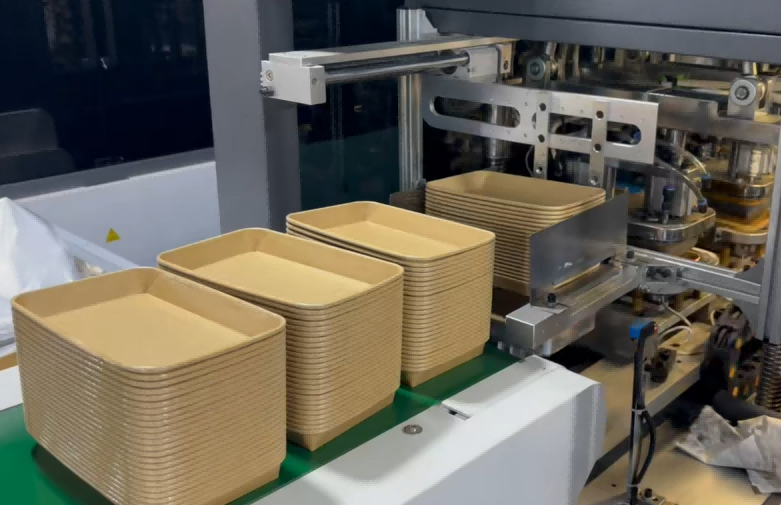
Logistical Optimization Note: Traditional pre-assembled hybrid boxes or poorly nested nested alternatives waste critical volumetric space inside shipping containers. Orderpack eliminates this waste by utilizing a strict separate packing methodology.
Related News
Read More >-
![Why Order by August Cuts 30% Cost]()
Why Order by August Cuts 30% Cost
July 2026: Procurement managers face a Q4 food packaging deadline. Ordering by August prevents 30% cost increases. ODPACK explains the timeline, factory capacity, and strategy for wholesale buyers.
-
![Crush Resistant Pizza Boxes for Heavy Stacking Delivery]()
Crush Resistant Pizza Boxes for Heavy Stacking Delivery
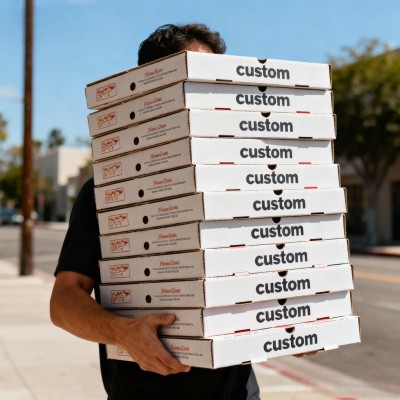
During major sports tournaments, commercial pizza chains and catering groups face massive order spikes, forcing procurement managers to upgrade packaging pipelines. This technical guide evaluates how sourcing heavy-duty corrugated pizza box lines from odpack.com prevents structural sagging caused by thermal moisture during high-density multi-tier delivery, helping enterprise volume buyers eliminate product damage and refund risks during peak seasonal events worldwide.
-
![Custom Printed Sushi Push Pop Tube Wholesale | odpack.com]()
Custom Printed Sushi Push Pop Tube Wholesale | odpack.com
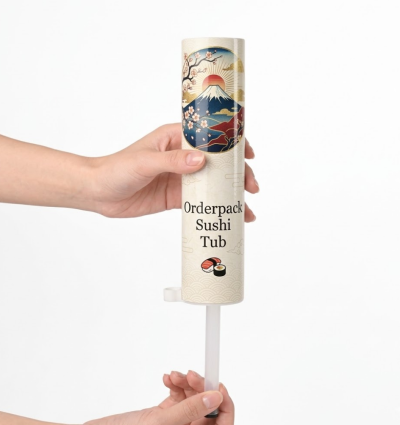
To-go sushi franchise chains and food service distributors across North America and Europe are rapidly replacing flat plastic clamshells with the custom sushi push up container from odpack.com to comply with strict single-use plastic bans. This transition is heavily driven by the high profit margins and viral social media branding of vertical, on-the-go dining. By manufacturing FDA-certified, leak-proof, and custom-sized packaging, odpack.com helps global restaurant owners eliminate delivery damage and scale supply chain stability with low MOQs and fast shipping.
-
![Bulk Bamboo Cup Trays: How to Reduce Shipping Costs by 50%]()
Bulk Bamboo Cup Trays: How to Reduce Shipping Costs by 50%
-
![Can You Put A Pizza Box In The Oven? (Safety Guide)]()
Can You Put A Pizza Box In The Oven? (Safety Guide)
-
![How to Keep Pizza Hotter for Longer in the Box?]()
How to Keep Pizza Hotter for Longer in the Box?
The material of your cardboard pizza boxes plays a massive role in heat retention. Standard cardboard is actually a decent insulator because it is porous and contains tiny air pockets. However, not all pizza packaging boxes are created equal. Thicker cardboard, often found in higher-end kraft pizza boxes, provides a greater barrier against the cold outside air. If you are serious about delivery quality, investing in thicker materials is a smart move, even if you use personalized pizza boxes for branding.
-
![What Is the Best Way to Store Pizza Boxes?]()
What Is the Best Way to Store Pizza Boxes?
When kraft pizza boxes absorb moisture from the air, they become soft, lose their structural integrity, and can even fail to hold their shape when a hot pizza is placed inside. Therefore, your storage area must be completely dry, well-ventilated, and climate-controlled. Always store your inventory off the concrete floor using wooden pallets or wire shelving. This simple step prevents wicking, where moisture from the floor travels up into your pizza packaging boxes and ruins them.
-
![Are There Pizza Boxes Specifically Designed for Frozen Pizza?]()
Are There Pizza Boxes Specifically Designed for Frozen Pizza?
Standard cardboard pizza boxes are designed to handle heat and moisture, but they often fail when frozen. Condensation forms as the product moves between temperatures, leading to soggy, weakened structures. Fortunately, modern pizza packaging boxes have evolved. Manufacturers now produce specialized containers featuring reinforced walls and moisture-resistant coatings. These designs ensure the box maintains its integrity from the freezer to the customer’s kitchen.