

How Is Sustainability Changing Fast Food Packaging?
2026-10-28 13:00
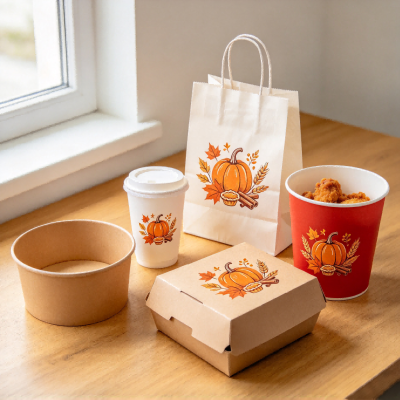
Sustainability is becoming an important consideration for restaurants, takeaway businesses, and food retailers. Customers increasingly want convenient meals with less unnecessary packaging waste, encouraging businesses to rethink materials, design, and disposal. From a fast food burger box to paper carriers, sustainable packaging choices can help food businesses balance product protection, customer experience, and environmental responsibility.
How Are Materials Changing?
Traditional food packaging often combines plastic, paper, coatings, and adhesives, making disposal more complicated. Businesses are now exploring recyclable paperboard, responsibly sourced paper, and materials designed for specific waste management systems. A well-designed fast food packaging box can protect food during handling while using only the material needed for its intended purpose.
Material selection depends on the food itself. Burgers and fried items may release heat, steam, oil, and moisture, so packaging must maintain strength and prevent leakage. A fast food burger box should provide sufficient ventilation and structural support without adding unnecessary layers. Testing materials under realistic serving and delivery conditions helps businesses make practical choices.
Can Compostable Packaging Reduce Waste?
Compostable fast food packaging offers another option for businesses seeking alternatives to conventional plastic. However, compostable materials do not automatically break down effectively in every environment. Some products require commercial composting facilities, and local waste collection systems may not accept them.
Before choosing compostable fast food packaging, buyers should check relevant certifications, disposal instructions, and local requirements. Clear labeling can help customers understand whether a product belongs in recycling, organic waste, or general rubbish. Businesses should avoid environmental claims that cannot be supported by product documentation.

fast food bags
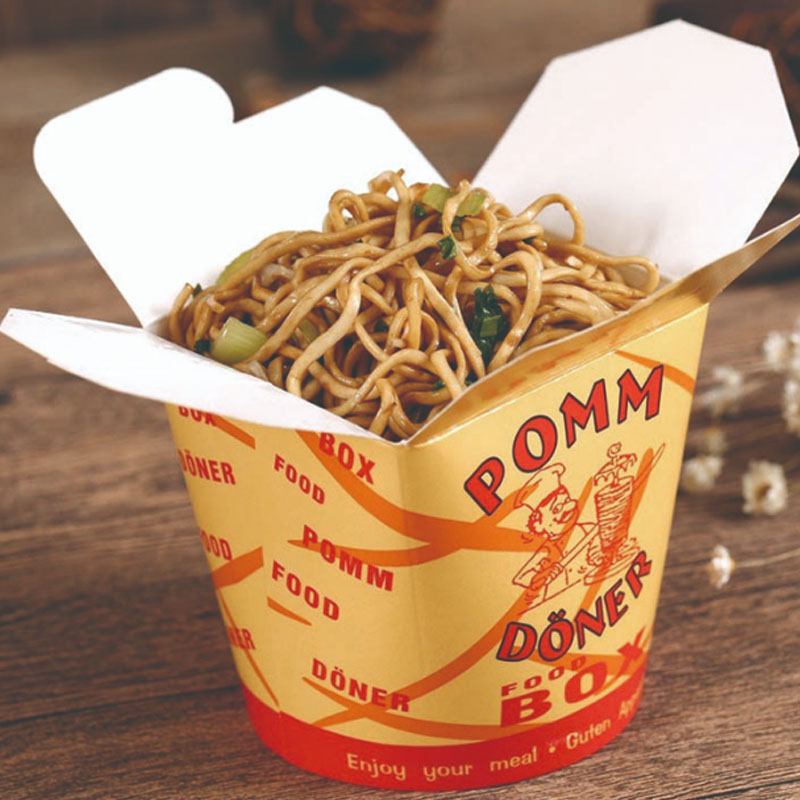
fast food packaging box
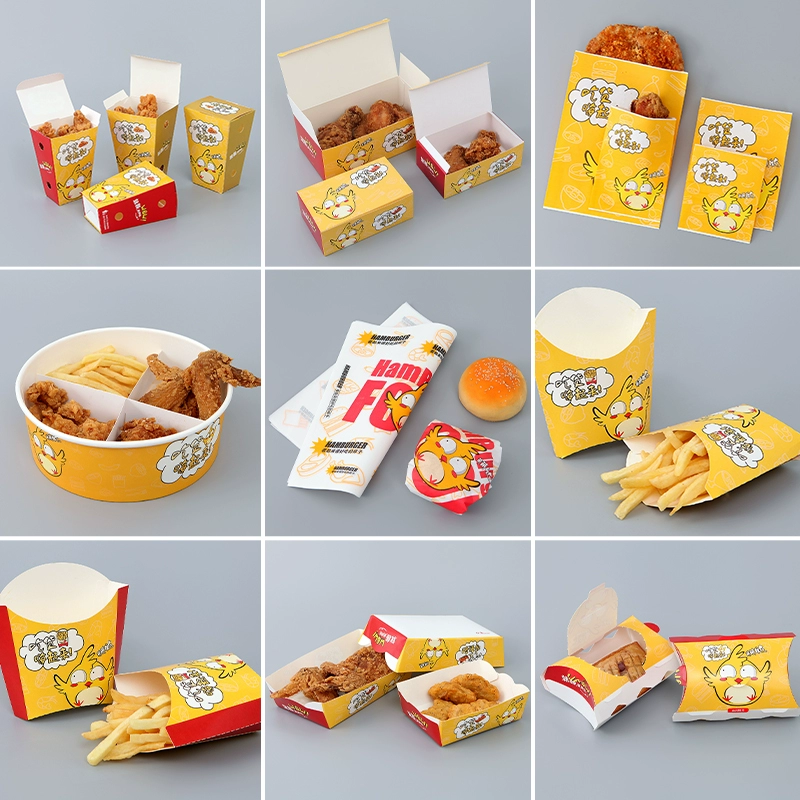
fast food takeaway packaging
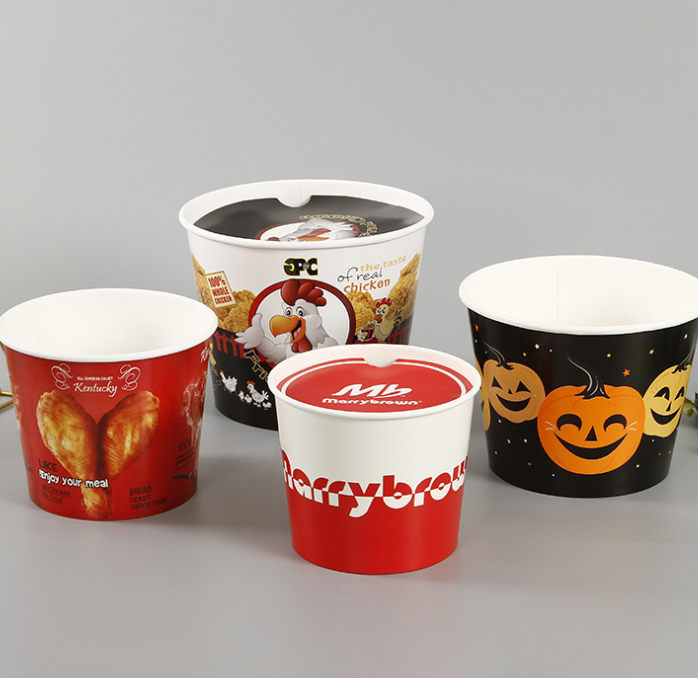
compostable fast food packaging
Why Do Paper Bags Matter?
Packaging sustainability involves more than boxes. Fast food bags are widely used for takeaway orders, snacks, sandwiches, and delivery collections. Choosing an appropriate bag size and paper weight can reduce unnecessary material while maintaining enough strength for everyday use.
Businesses should also consider how packaging components work together. Oversized bags, excessive wrapping, and multiple disposable containers can increase waste even when individual items are made from paper. Matching fast food bags to order size and combining compatible packaging formats can improve efficiency without compromising food hygiene.
How Is Takeaway Packaging Becoming More Practical?
Fast food takeaway packaging must protect meals during transport, manage heat and moisture, and remain easy to carry. Sustainable design therefore focuses on performance as well as material choice. Secure closures, suitable ventilation, stackable shapes, and efficient storage can reduce damaged orders and unnecessary replacements.
A fast food packaging box designed for delivery should be tested with the actual menu, including oily foods and items that release steam. Restaurants can also review portion sizes and packing procedures to avoid using extra containers when one suitable package is enough.
What Should Businesses Consider Before Switching?
The most suitable packaging depends on food type, transport time, budget, local disposal facilities, and customer expectations. Buyers should compare durability, food-contact compliance, material sourcing, printing requirements, and end-of-life options before placing large orders.
Sustainability is not achieved simply by replacing every package with a different material. Reducing excess packaging, selecting fit-for-purpose products, and giving customers clear disposal guidance can make a more meaningful difference. By evaluating fast food burger box designs, fast food bags, and compostable fast food packaging together, food businesses can build a more consistent approach to waste reduction.
As packaging expectations continue to evolve, practical design and transparent information will remain essential. Businesses that choose appropriate materials and verify environmental claims can improve packaging decisions while continuing to deliver safe, convenient meals.
Related News
Read More >-
![Can Compostable Utensils Help Reduce Plastic Waste?]()
Can Compostable Utensils Help Reduce Plastic Waste?
Plastic waste remains a major challenge for restaurants, takeaway services, hotels, and food retailers. Disposable forks, spoons, and knives are convenient, but conventional plastic products can remain in the environment for many years when improperly discarded. Compostable disposable utensils offer an alternative that can help businesses reduce their reliance on conventional plastics while meeting changing customer expectations.
-
![How Can Wooden Cutlery Brands Stand Out in 2026?]()
How Can Wooden Cutlery Brands Stand Out in 2026?
In 2026, compostable disposable utensils can compete through more than environmental positioning alone. By offering natural birchwood products, supporting responsible sourcing, providing appropriate compliance evidence, and serving foodservice and retail customers with flexible packaging solutions, brands can create meaningful value in an evolving market.
-
![Salad Paper Bowl Lids: PET, PP and Paper Compared]()
Salad Paper Bowl Lids: PET, PP and Paper Compared
-
![Paper Cup Coatings: EVA, Acrylic, PLA and PE Compared]()
Paper Cup Coatings: EVA, Acrylic, PLA and PE Compared
Paper cup coating decides heat resistance, film cracking, and compost claims. ODPACK compares EVA, acrylic, PLA, and PE systems, including the production behaviour behind each film.
-
![Bagasse vs Kraft vs PP: A Material Selection Matrix]()
Bagasse vs Kraft vs PP: A Material Selection Matrix
Menu temperature, oil load, and end-of-life rules decide whether bagasse food packaging, kraft food containers, or plastic food containers fit. ODPACK builds a selection matrix by menu type.
-
![Thanksgiving Catering Packaging: A 2026 Order Timeline]()
Thanksgiving Catering Packaging: A 2026 Order Timeline
Catering teams finalize Thanksgiving menus through October, and packaging must clear production before the Q4 freight crunch. ODPACK maps a six-week order timeline with volume math.
-
![How Does Sushi Push Up Tube Packaging Improve Freshness?]()
How Does Sushi Push Up Tube Packaging Improve Freshness?
Freshness is one of the most important qualities consumers expect from prepared sushi. After sushi is assembled, exposure to moisture, grease, handling, and the surrounding environment can affect its appearance and eating experience. A thoughtfully designed sushi push up tube provides a controlled packaging environment that helps protect the product during storage, transportation, and consumption.
-
![Why Choose Wholesale Sushi Push Up Tube Packaging?]()
Why Choose Wholesale Sushi Push Up Tube Packaging?
As takeaway sushi and ready-to-eat food continue to develop, packaging needs to do more than simply hold a product. Restaurants, retailers, caterers, and food distributors are looking for packaging that combines food protection, convenience, presentation, and efficient purchasing. For these businesses, wholesale sushi push up tube packaging offers a practical format designed around the real needs of modern foodservice.