How to Evaluate the Thermal Insulation Performance of Pizza Boxes?
2026-01-21 13:00
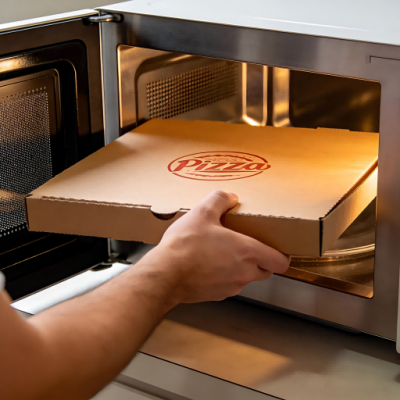
In the competitive world of food delivery, the temperature at which a pizza arrives can make or break the customer experience. A lukewarm pizza often leads to dissatisfaction, regardless of its flavor. Therefore, assessing the thermal insulation performance of a pizza box is not just a technical exercise; it’s a critical business imperative. This article provides a professional guide on evaluating insulation efficacy, focusing on a core methodology: using thermal imaging to track temperature loss over 30 minutes, with a premium pizza packaging box expected to maintain a core temperature of at least 60°C in a 20°C ambient environment.
The Science Behind Pizza Box Insulation
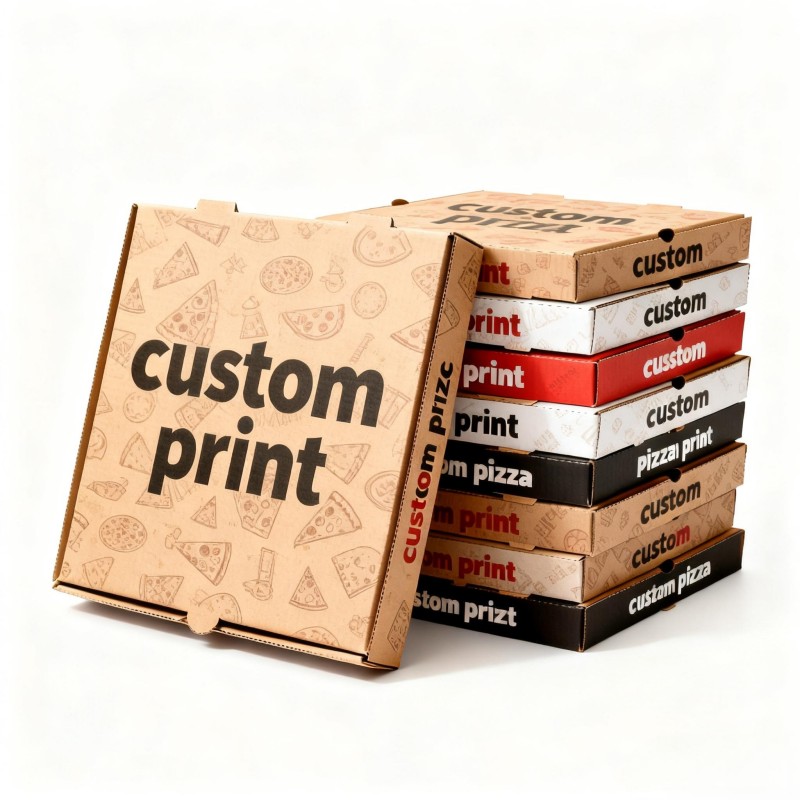
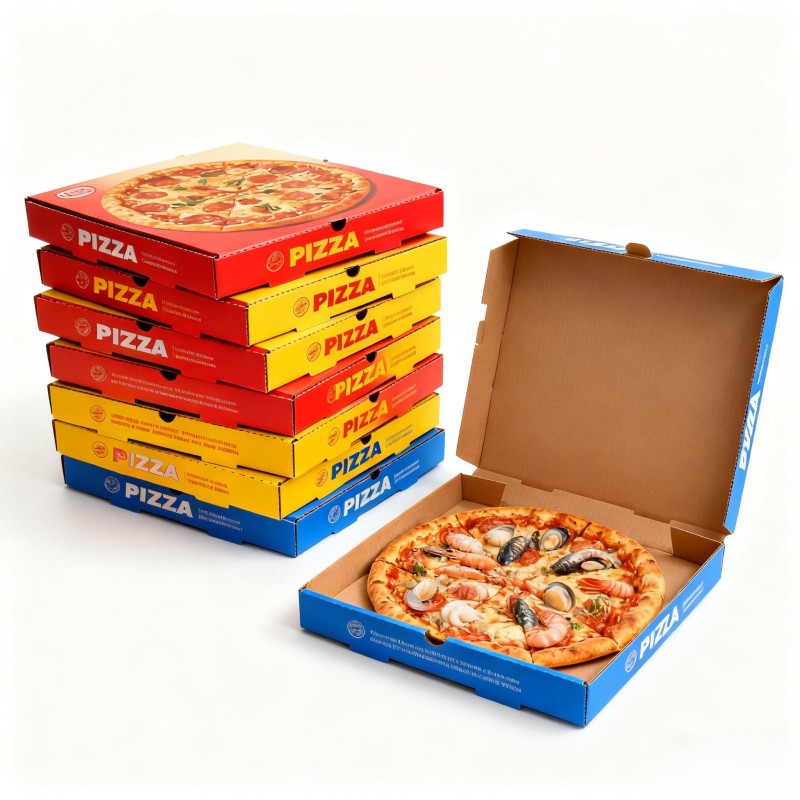
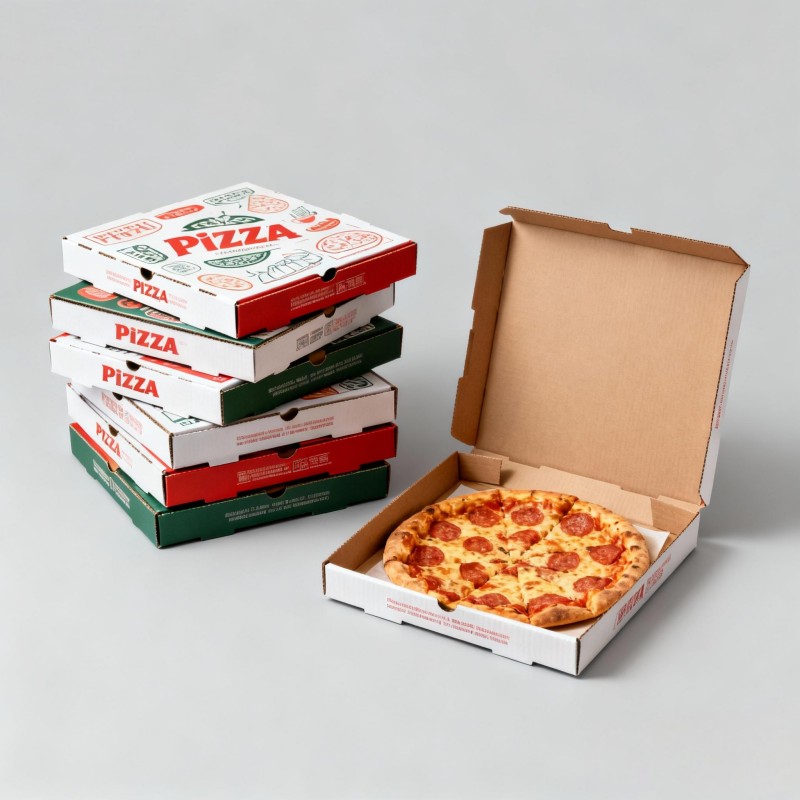
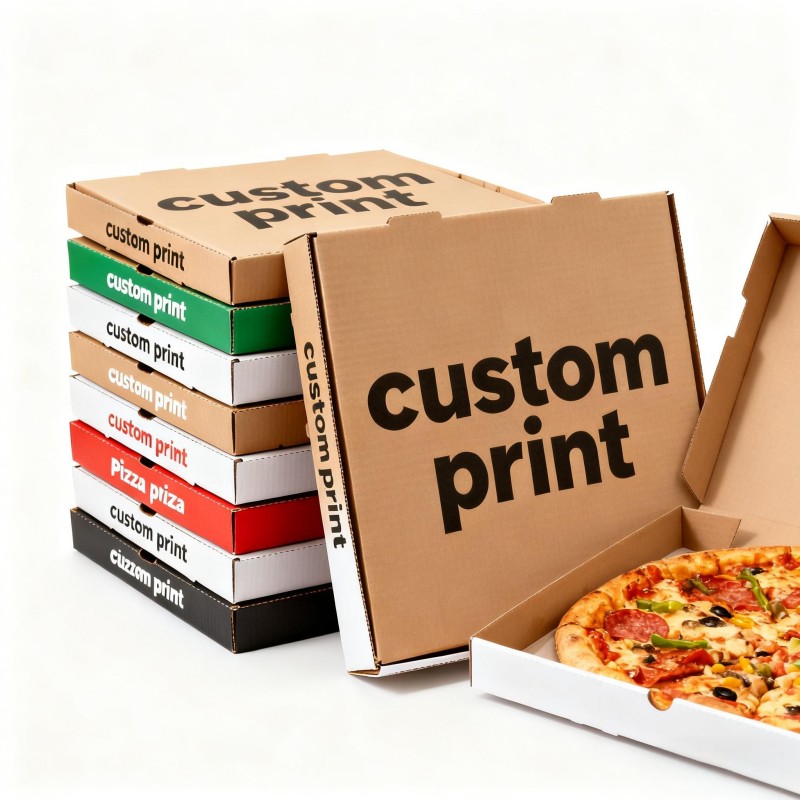
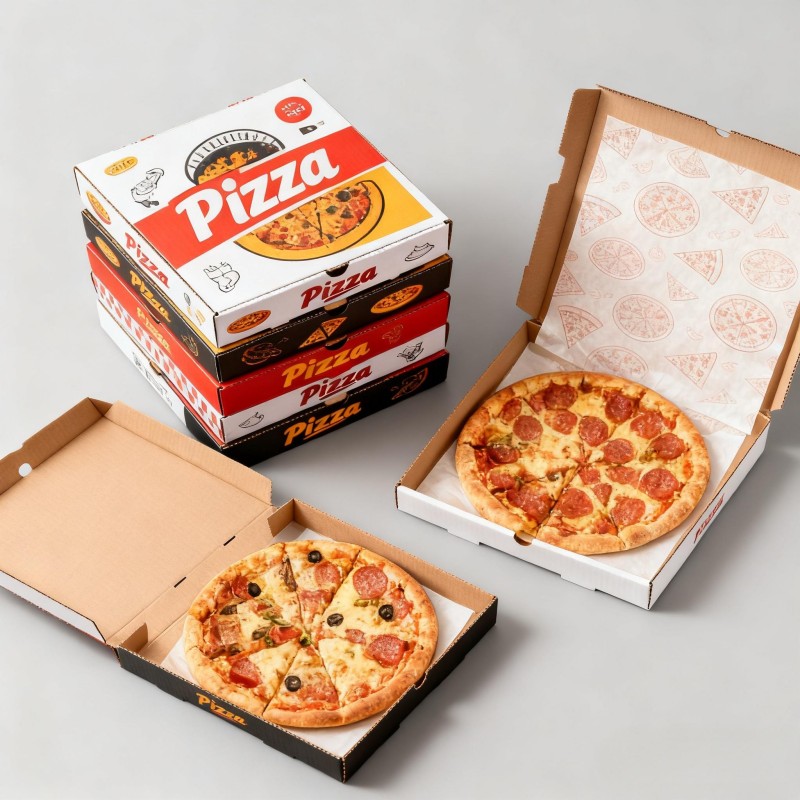
The primary function of any pizza box is twofold: to protect the structural integrity of the product during transit and to retain its heat. Heat loss occurs through three primary mechanisms: conduction (through the box material), convection (through air vents or seals), and radiation. A well-designed cardboard pizza box aims to mitigate these losses. The material itself, often corrugated cardboard, creates air pockets that provide inherent insulation. However, the quality of the material, its thickness, and the overall design—including flaps, vents, and seams—dramatically influence performance. Whether you are sourcing standard cardboard pizza boxes or investing in branded custom pizza boxes, understanding their thermal dynamics is key.
The Standardized Test: Thermal Imaging Over 30 Minutes
A reliable, objective assessment requires a controlled test protocol. The industry is increasingly adopting a method centered on thermal imaging technology.
1. Test Setup and Protocol:
Ambient Conditions: The test must be conducted in a controlled environment with a stable ambient temperature of 20°C, simulating a typical room temperature.
Pizza Simulation: For consistency, use a standardized heat source rather than an actual pizza. A heated thermal mass, such as a ceramic plate heated to 95°C (simulating a fresh-from-the-oven pizza), is placed inside the pizza packaging box.
Sealing: The box is closed as it would be for delivery.
Monitoring: A thermal imaging camera records the surface temperature of the box exterior and, crucially, infers the core temperature of the internal heat source at one-minute intervals for 30 minutes.
2. Performance Benchmark:
The key metric is the core temperature at the 30-minute mark. An industry-accepted standard for a high-performance pizza box is maintaining a core temperature ≥60°C. This ensures the pizza remains hot and palatable upon delivery. Thermal imaging visually maps heat dissipation, highlighting "cold spots" or areas of poor insulation, such as thin corners or poorly sealed flaps.
pizza box
custom pizza boxes
kraft pizza boxes
cardboard pizza boxes
3. Analyzing the Results:
The thermal imaging data reveals the rate of heat loss. A superior box will show a slow, gradual decline in core temperature and a relatively uniform, cool exterior, indicating effective insulation. A poor-performing box will exhibit a rapid temperature drop and distinct hot areas on its exterior, signaling excessive heat loss. This analysis is vital for manufacturers developing custom pizza boxes and for pizzerias choosing between standard cardboard pizza boxes and kraft pizza boxes.
Factors Influencing Thermal Performance
Several design and material factors directly impact a box's insulation capabilities, and they should be scrutinized during evaluation.
Material Type and Quality: The classic cardboard pizza box made from corrugated fiberboard offers good insulation due to its fluted middle layer. Kraft pizza boxes, often made from unbleached, durable paperboard, can have excellent structural integrity which aids in heat retention. The thickness (measured in flutes like E, B, or EB) is critical; a double-walled box provides significantly better insulation than a single-walled one.
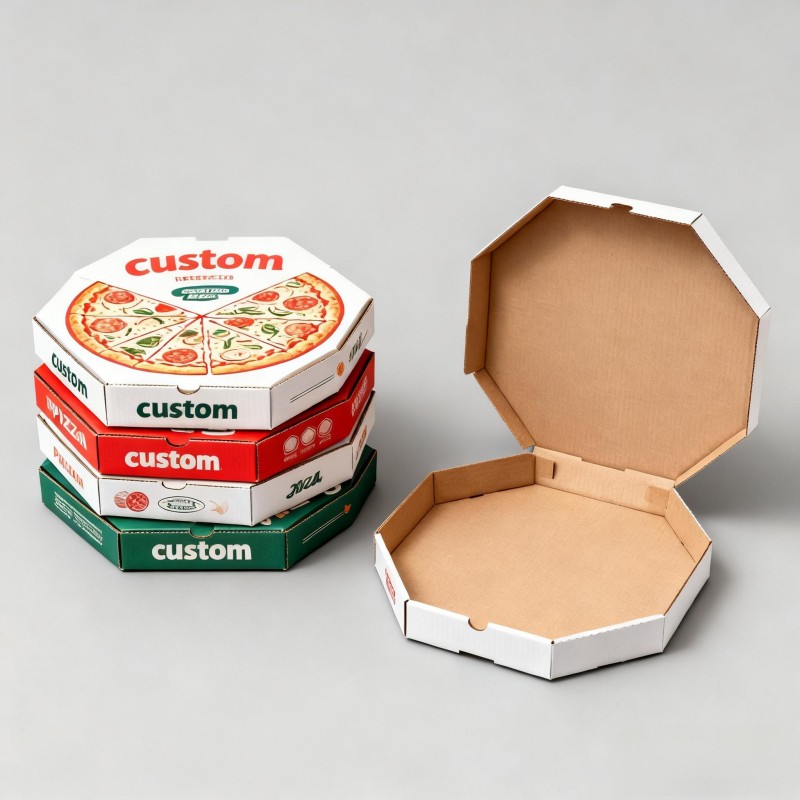
Design and Construction: The fit of the lid, the presence of locking mechanisms, and the strategic use of vents all play a role. Vents are necessary to release steam and prevent sogginess, but poorly placed or oversized vents can be a major source of heat loss. The design of custom pizza boxes can be optimized to balance venting and insulation.
Coatings and Liners: Some pizza packaging box solutions feature internal coatings or reflective liners. While often used for grease resistance, certain coatings can also create a slight radiant barrier, helping to reflect heat back towards the pizza.
Size and Fit: A box that is too large for the pizza allows excessive air movement inside, accelerating cooling through convection. A snug fit is thermally advantageous.
Comparative Analysis: Standard Boxes vs. Specialty Solutions
When running thermal tests, comparing different types is enlightening. A basic, low-cost cardboard pizza box might struggle to meet the 60°C benchmark after 30 minutes. In contrast, a well-constructed kraft pizza box with thicker walls may perform admirably. The most significant performance leaps are often seen in premium custom pizza boxes, where pizzerias or chains have invested in designs with enhanced thermal properties—perhaps through innovative interlocking flaps that create a tighter seal or integrated insulating layers.
For any business, the choice of pizza packaging box is a trade-off between cost, sustainability, branding, and functionality. Thermal performance testing provides the hard data needed to make an informed decision. A box that keeps pizza hotter for longer can reduce customer complaints, increase positive reviews, and justify a potentially slightly higher unit cost.
pizza packaging box
custom pizza boxes
kraft pizza boxes
pizza packaging box
A Hot Pizza is a Happy Customer
Evaluating a pizza box's thermal performance through systematic thermal imaging testing is no longer a niche practice but a cornerstone of quality assurance in food delivery. The 30-minute, ≥60°C benchmark under 20°C ambient conditions provides a clear, measurable goal. From standard cardboard pizza boxes to eco-friendly kraft pizza boxes and branded custom pizza boxes, every design can and should be held to this standard.
Investing in superior pizza packaging box technology is an investment in brand reputation. As the final touchpoint before consumption, the box delivers more than just the product; it delivers the promised experience. By prioritizing scientific evaluation of insulation, pizzerias and packaging manufacturers can ensure that every delivered pizza arrives not just intact, but deliciously, satisfyingly hot. In the end, the warmth of the pizza is directly proportional to the warmth of the customer's reception.
Xiamen Order Pack Tech, Co., Ltd. As a Professional Manufacturer & Supplier of disposable and Eco-friendly Tableware and Package, Specialized in producing and selling disposable food packaging for over 10 years. Our Products include disposable cutlery , food packaging boxes cups bowls and plates , drinking straws , paper bucket,wrap paper , paper bags and other biodegradable products,including bagasse pulp PLA and cornstarch tableware
Related News
Read More >-
How Do Paper Pizza Boxes Achieve Grease and Leak Resistance?
PE is a food-safe plastic that provides an excellent barrier against oils and liquids. During production, cardboard pizza boxes are passed through machines that apply a molten PE film, which cools to form a seamless, waterproof lining. This coating not only prevents grease from seeping through but also enhances the box’s rigidity, helping it retain heat. While highly effective, the use of PE has drawn environmental scrutiny due to its plastic content, prompting the industry to explore greener alternatives.
-
What Are the Surface Finishes Available for Pizza Boxes?
Common treatments range from simple, uncoated surfaces to sophisticated printed and protective coatings, including plain kraft, high-quality printing, gloss or matte varnishes, and specialized food-grade barriers. Understanding these options allows pizzerias and restaurants to select the optimal custom pizza boxes that align with their brand identity, operational needs, and sustainability goals.
-
How to Choose the Right Paper Burger Box for Your Business?
Choosing the right paper burger box for your business is a strategic process. It involves matching the hamburger box size and grease resistance to your product, leveraging takeaway burger boxes for effective branding, aligning cardboard burger boxes with your sustainability mission, and balancing all factors within a sensible budget.
-
How To Prevent Burgers From Getting Soggy In A Paper Box?
Preventing a burger from becoming soggy in a paper burger box is an achievable goal that hinges on intelligent packaging choices and mindful preparation. By using vented burger box packaging, incorporating a grease-resistant liner, and allowing the burger to cool slightly, you can effectively control moisture and steam.
-
Are Paper Burger Boxes FDA-Approved?
When selecting packaging for food products, especially items as popular and globally consumed as burgers, safety and regulatory compliance are non-negotiable priorities. Choosing burger boxes from a trusted supplier like Orderpack, which guarantees the use of FDA-compliant materials, provides critical advantages: ensuring consumer safety, offering regulatory protection, enhancing brand trust, and delivering reliable performance.
-
How to Ensure the Printing Quality of Customized Pizza Box Designs?
-
What Are the Advantages of Customizing Kraft Paper Pizza Boxes?
-
What's the Difference Between a Regular Pizza Box and a Corrugated Cardboard Pizza Box?