What Are the Surface Finishes Available for Pizza Boxes?
2026-01-19 13:00
In the competitive world of food delivery and takeout, the pizza box serves as more than just a container—it is a crucial touchpoint for branding and customer experience. Beyond its fundamental role in keeping pizza hot and intact, the surface finish of a pizza packaging box significantly influences brand perception, functionality, and even environmental impact. Common treatments range from simple, uncoated surfaces to sophisticated printed and protective coatings, including plain kraft, high-quality printing, gloss or matte varnishes, and specialized food-grade barriers. Understanding these options allows pizzerias and restaurants to select the optimal custom pizza boxes that align with their brand identity, operational needs, and sustainability goals.
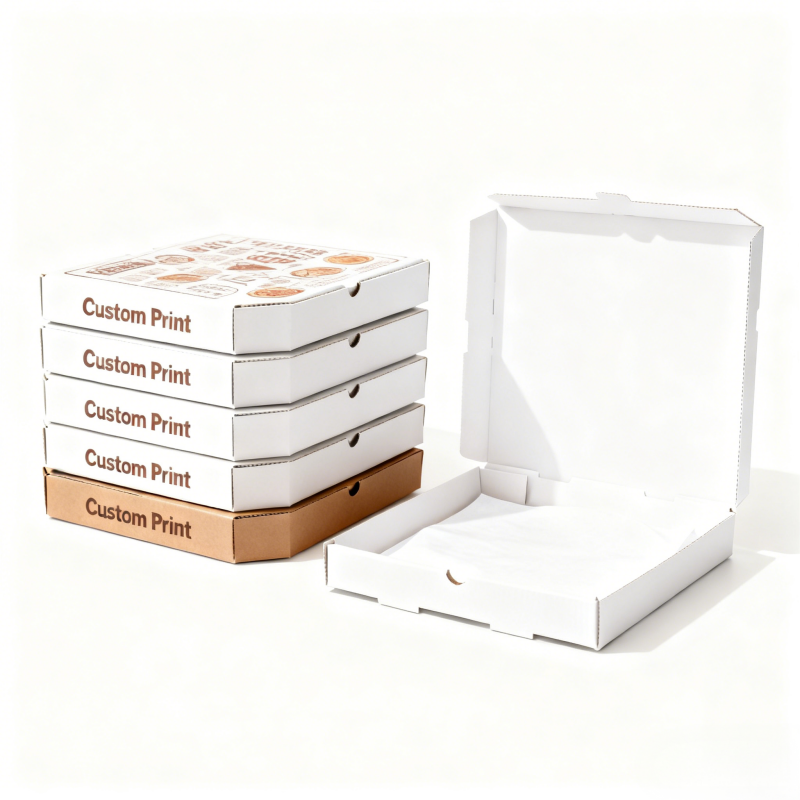
The most basic and eco-conscious finish is the plain or uncoated surface, typically found on standard kraft pizza boxes or recycled cardboard pizza boxes. This finish showcases the natural, raw texture of the paperboard, often in its classic brown kraft color. It projects an authentic, artisanal, or environmentally friendly brand image, as it is usually made from unbleached, recycled materials and is fully recyclable and compostable. However, an uncoated surface is more porous and offers minimal resistance to grease and moisture, which can be a limitation for particularly oily pizzas. For businesses prioritizing a rustic, sustainable aesthetic, plain kraft pizza boxes are an excellent choice, though they may require an internal liner for enhanced grease resistance.
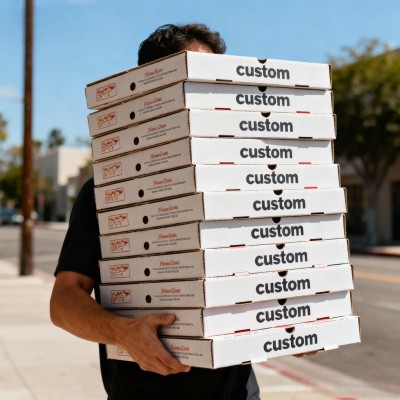
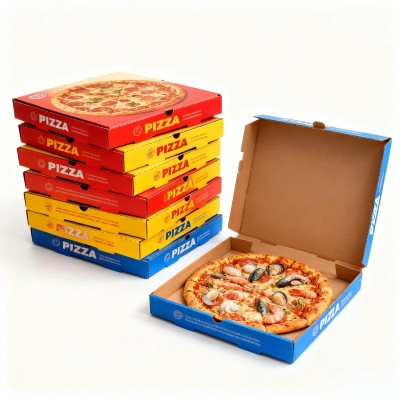
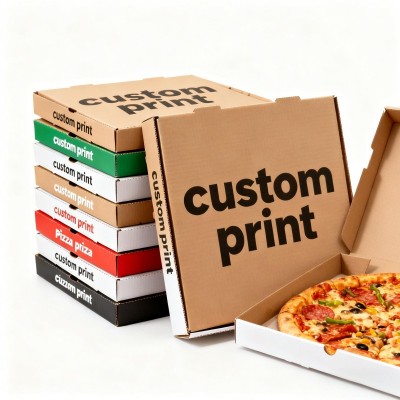
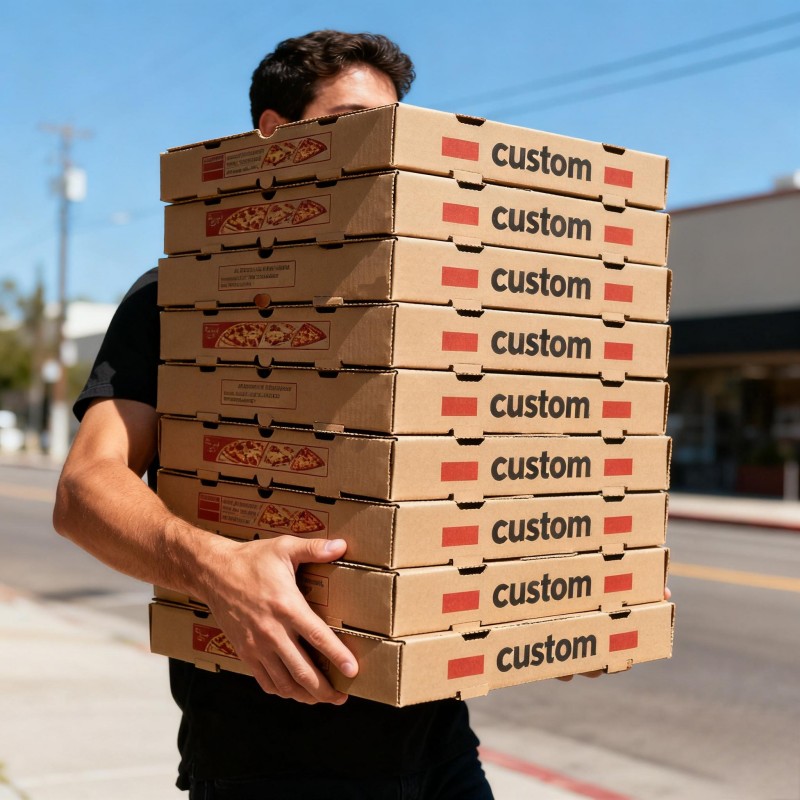
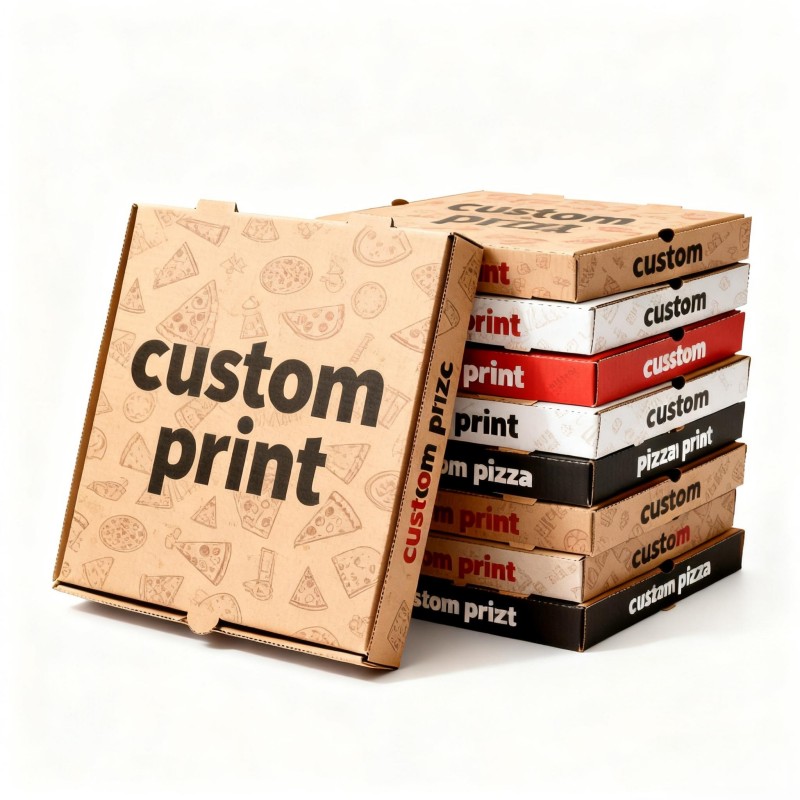
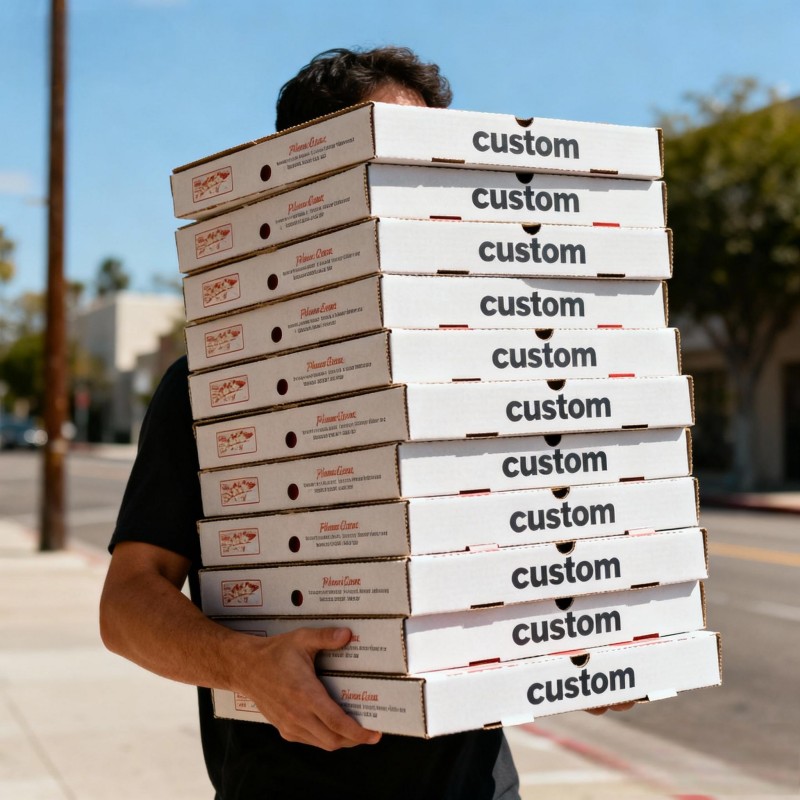
For brands looking to make a visual impact, printed finishes transform the pizza box into a powerful marketing canvas. Using techniques like flexographic or lithographic printing, logos, slogans, contact information, and vibrant graphics can be applied directly to the box surface. This is especially valuable for custom pizza boxes, where unique designs can reinforce brand recognition and customer loyalty. Printing can be done in single or multiple colors, allowing for creative freedom. However, the choice of ink is crucial; many manufacturers now use soy-based or water-based inks, which are more environmentally friendly than traditional petroleum-based options. A well-designed printed pizza packaging box not only protects the product but also travels through the neighborhood as a mobile advertisement.
pizza boxes
custom pizza boxes
kraft pizza boxes
To enhance durability and visual appeal, protective coatings are often applied over the base material or printing. The two most common types are gloss and matte varnishes. A gloss coating creates a shiny, reflective surface that makes colors appear more vibrant and saturated. It also provides a slight barrier against scuffs and minor moisture. Conversely, a matte coating offers a sophisticated, non-reflective finish that feels smooth to the touch and conveys a premium, understated quality. Both coatings can be applied overall or as "spot" treatments to highlight specific design elements. For cardboard pizza boxes, these coatings must be carefully formulated to maintain the recyclability of the board, a key consideration for eco-conscious brands.
Perhaps the most functionally important treatment for a pizza packaging box is a food-grade, grease-resistant coating or barrier. This is often an internal treatment applied to the side that comes into contact with the pizza. Common solutions include:
Polyethylene (PE) Lamination: A thin plastic film that provides an excellent barrier against grease and moisture. While highly effective, it can complicate recycling in some municipal systems.
Perfluoroalkyl-free (PFA-free) Coatings: Modern, environmentally preferable alternatives to traditional grease-resistant chemicals. These water-based or bio-based coatings provide adequate resistance without containing persistent "forever chemicals."
Clay Coatings: A natural mineral coating that absorbs grease and improves the surface for printing.
For custom pizza boxes handling extra-cheesy or deep-dish pizzas, investing in a robust, food-safe barrier is essential to prevent box failure and maintain a professional presentation upon delivery.
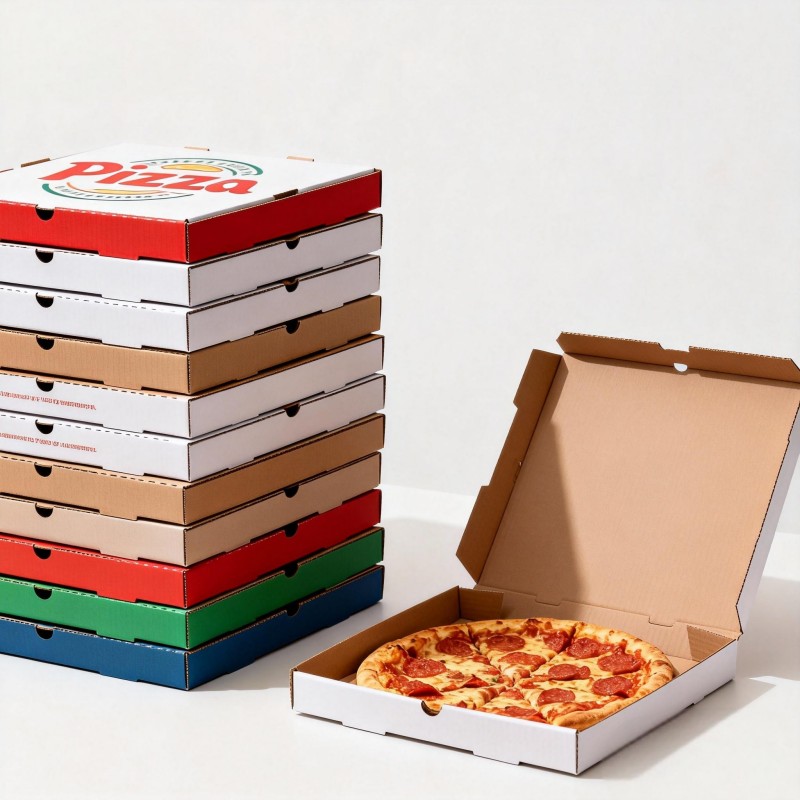
The selection of a surface finish ultimately depends on a balance of branding, functionality, cost, and sustainability. A high-end pizzeria might opt for custom pizza boxes with sophisticated matte printing and a PFA-free internal barrier to project quality and responsibility. A fast-casual chain focused on eco-credentials might choose uncoated kraft pizza boxes made from 100% recycled content with simple, water-based ink branding. Meanwhile, a large delivery operation might prioritize cost-effective cardboard pizza boxes with a functional gloss coating and a reliable PE barrier for durability across a high volume of orders.
The modern pizza box is a product of significant engineering and design consideration. From the natural feel of plain kraft pizza boxes to the high-impact graphics of fully printed custom pizza boxes, and from the protective shine of a gloss coat to the essential functionality of a food-grade barrier, each surface treatment serves a distinct purpose. By carefully evaluating these options—plain, printed, gloss/matte, and food-grade coated—businesses can choose a pizza packaging box that not only delivers their product perfectly but also powerfully and responsibly communicates their brand's story to the customer.
cardboard pizza boxes
pizza packaging box
kraft pizza boxes
Related News
Read More >-
How Do Paper Pizza Boxes Achieve Grease and Leak Resistance?
PE is a food-safe plastic that provides an excellent barrier against oils and liquids. During production, cardboard pizza boxes are passed through machines that apply a molten PE film, which cools to form a seamless, waterproof lining. This coating not only prevents grease from seeping through but also enhances the box’s rigidity, helping it retain heat. While highly effective, the use of PE has drawn environmental scrutiny due to its plastic content, prompting the industry to explore greener alternatives.
-
How to Evaluate the Thermal Insulation Performance of Pizza Boxes?
Evaluating a pizza box's thermal performance through systematic thermal imaging testing is no longer a niche practice but a cornerstone of quality assurance in food delivery. The 30-minute, ≥60°C benchmark under 20°C ambient conditions provides a clear, measurable goal. From standard cardboard pizza boxes to eco-friendly kraft pizza boxes and branded custom pizza boxes, every design can and should be held to this standard.
-
How to Choose the Right Paper Burger Box for Your Business?
Choosing the right paper burger box for your business is a strategic process. It involves matching the hamburger box size and grease resistance to your product, leveraging takeaway burger boxes for effective branding, aligning cardboard burger boxes with your sustainability mission, and balancing all factors within a sensible budget.
-
How To Prevent Burgers From Getting Soggy In A Paper Box?
Preventing a burger from becoming soggy in a paper burger box is an achievable goal that hinges on intelligent packaging choices and mindful preparation. By using vented burger box packaging, incorporating a grease-resistant liner, and allowing the burger to cool slightly, you can effectively control moisture and steam.
-
Are Paper Burger Boxes FDA-Approved?
When selecting packaging for food products, especially items as popular and globally consumed as burgers, safety and regulatory compliance are non-negotiable priorities. Choosing burger boxes from a trusted supplier like Orderpack, which guarantees the use of FDA-compliant materials, provides critical advantages: ensuring consumer safety, offering regulatory protection, enhancing brand trust, and delivering reliable performance.
-
How to Ensure the Printing Quality of Customized Pizza Box Designs?
-
What Are the Advantages of Customizing Kraft Paper Pizza Boxes?
-
What's the Difference Between a Regular Pizza Box and a Corrugated Cardboard Pizza Box?