

Why Chain Restaurants Are Switching to Fiber Packaging in 2026
2026-08-03 15:18
📊 The Shift in Numbers
The restaurant industry fiber packaging transition accelerated sharply between 2024 and 2026. What began as a sustainability communications strategy has become a procurement reality driven by three converging forces: binding government regulations with enforcement deadlines, cost parity between fiber and plastic food containers, and measurable consumer preference data showing chain guests actively choosing brands based on sustainable packaging choices.
68% of QSR operators switched at least one SKU to fiber packaging by mid-2026 (NRA 2026 Forecast)
🔍 Three Policy Drivers Behind the Shift
Restaurant chains do not change wholesale containers specifications for marketing reasons alone. The operational cost of switching food containers involves retooling kitchen workflows, retraining staff across hundreds or thousands of locations, and managing dual-supply transitions straining distribution logistics. Three regulatory frameworks make the switch mandatory rather than optional for chains operating across multiple jurisdictions.
| Regulation | Jurisdiction | Key Requirement | Effective Date |
|---|---|---|---|
| EU Directive (EU) 2019/904 | European Union | Ban on single-use plastic plates, cutlery, straws, stirrers, and expanded polystyrene food containers and cups | July 2021 (member state compliance by 2024) |
| California SB 54 (Plastic Pollution Prevention Act) | California, USA | All single-use packaging must be recyclable or compostable by 2032; 25% source reduction by 2032 | Signed June 2022; phased compliance from 2027 |
| Canada SUPPR | Canada | Prohibition on manufacture, import, and sale of single-use plastic checkout bags, cutlery, foodservice ware, ring carriers, stir sticks, and straws | Manufacture/import ban: Dec 2022; Sale ban: Dec 2023 |
Chains with locations in California, EU member states, or Canada face binding compliance deadlines. The operational complexity of maintaining separate packaging inventories for different regions pushes most procurement teams toward unified fiber packaging solutions across all markets. Paper bowls and molded fiber wholesale containers meet compliance requirements across all three regulatory frameworks simultaneously.
🏷️ Three Brands, Three Transition Stories
🍟 McDonald's — The Global Scale Shift
Policy-DrivenCost at ScaleMcDonald's announced in 2021: 100% of guest packaging would come from renewable, recycled, or certified sources by end of 2025. The McFlurry cup transition from plastic to fiber — completed across European markets by 2023 — removed an estimated 2,600 metric tons of virgin plastic annually from the chain supply chain. The Happy Meal fiber-based toy packaging transition followed in 2024 across all European markets.
The McDonald's procurement strategy demonstrates a pattern applicable to any multi-jurisdiction chain: transition European markets first under EU 2019/904 compliance pressure, then extend fiber packaging specifications to North American and Asia-Pacific markets to achieve procurement volume consolidation and per-unit cost reduction on food containers.
Source: McDonald's 2024 Purpose & Impact Report; McDonald's ESG Reporting Framework (December 2024)
🌯 Chipotle — Testing Fiber Bowls for the Burrito Bowl
Material InnovationOperational FitChipotle publicly committed to a science-based emissions reduction target in 2023 including packaging scope. The chain tested compostable paper bowls and fiber-based catering trays across select California and Colorado markets throughout 2025, making Chipotle the highest-volume fast-casual operator actively trialing sustainable packaging replacements for the format generating the majority of chain revenue: the burrito bowl and salad container.
For wholesale containers suppliers, the Chipotle case highlights fiber bowl testing criteria: moisture resistance sufficient for hot food holding (minimum 4-hour barrier without delamination), stacking stability for digital-order pickup shelves, and compatibility with existing lid-inventory systems. Any fiber packaging SKU failing moisture testing at the 4-hour mark will not advance past pilot-stage evaluation.
Source: Chipotle 2024 Sustainability Report; Chipotle 2025 Update: "Responsible Packaging" section (published March 2025)
🥗 Sweetgreen — Fiber-Native From Day One
Brand-AlignedConsumer PreferenceSweetgreen built the entire salad-bowl format around fiber packaging from launch, making the chain a real-world proof-of-concept for the operational viability of all-fiber food containers at high daily volumes. Sweetgreen locations average over 300 digital orders in peak hours, every single one fulfilled in molded fiber bowls — demonstrating paper bowls and fiber containers withstand the throughput demands quick-service chains require.
The consumer data from the Sweetgreen model matters for procurement decision-makers: the chain consistently ranks top-quartile in restaurant brand perception surveys for sustainability, and the visible fiber packaging format reinforces the brand positioning at the exact moment guests interact with the product. For QSR chains evaluating sustainable packaging transitions, the Sweetgreen example answers the durability question definitively: fiber handles peak digital-order volume without failure.
Source: Sweetgreen 2025 Impact Report; Sweetgreen Annual SEC Filing FY2025 (Item 1: Business Description)
💡 What The Fiber Shift Means for Procurement Teams
The three brand cases reveal a consistent pattern: fiber packaging transitions begin with regulatory triggers, accelerate through pilot programs validating operational fit, and consolidate into full-chain rollouts once procurement volume achieves cost parity with the plastic food containers being replaced.
Procurement teams evaluating paper bowls and wholesale containers in fiber materials should prioritize four criteria: moisture barrier duration for hot and cold food, stacking compression ratings, lid-system compatibility with existing inventory, and per-unit pricing at the volume tier where fiber reaches parity with plastic alternatives.
ODPACK manufactures fiber packaging including paper bowls, molded fiber food containers, and custom-printed sustainable packaging for chain restaurant programs across North America and Europe. The production facility in Xiamen, China runs dedicated fiber forming and finishing lines with full FDA, LFGB, and EU 1935/2004 compliance documentation provided with every wholesale containers shipment.
📋 Evaluating a Fiber Packaging Transition?
Contact ODPACK for fiber bowl samples, regulatory compliance documentation, and volume pricing for chain restaurant programs.
📧 info@orderpack.cn | 📞 +86 135 999 10171 | 🌐 odpack.com
Frequently Asked Questions❓
Why are restaurant chains switching to fiber packaging now?
Three converging forces: binding regulations (EU 2019/904, California SB 54, Canada SUPPR) with active enforcement deadlines, cost parity between fiber and plastic food containers at chain procurement volumes, and consumer preference data showing guests actively selecting restaurants based on sustainable packaging choices.
Does fiber packaging cost more than plastic?
At low volumes, yes. At chain-scale annual procurement volumes (10 million+ units per SKU), fiber packaging reaches cost parity with traditional plastic food containers for most bowl, tray, and clamshell formats. McDonald's public disclosures indicate fiber transitions executed without material food-cost ratio impact at European market scale.
Can fiber bowls hold hot food without leaking?
Modern molded paper bowls with food-grade barrier coatings withstand hot food at serving temperature for 4+ hours without delamination. The Chipotle pilot testing protocol validates fiber bowl moisture resistance specifically for hot-holding applications, making wholesale containers in fiber suitable for the full QSR menu temperature range.
Are fiber food containers compostable?
Most uncoated or PLA-lined fiber packaging products are certified commercially compostable under ASTM D6400 or EN 13432 standards. PE-lined fiber food containers are recyclable in paper streams where local infrastructure accepts food-soiled paper packaging. Always verify local waste infrastructure compatibility before making compostability claims on sustainable packaging.
Sources & References
EU Directive (EU) 2019/904 — Single-Use Plastics Directive, Official Journal of the European Union, June 2019
California SB 54 — Plastic Pollution Prevention and Packaging Producer Responsibility Act, signed June 30, 2022
Canada SUPPR — Single-Use Plastics Prohibition Regulations, SOR/2022-138, June 2022
McDonald's 2024 Purpose & Impact Report — Packaging & Waste section, published December 2024
Chipotle 2024 Sustainability Report & 2025 Update — Responsible Packaging, published March 2025
Sweetgreen 2025 Impact Report & Annual SEC Filing FY2025, Item 1: Business Description
National Restaurant Association 2026 Industry Forecast — Operator Survey Data
Grand View Research — North American Molded Fiber Food Packaging Market Report, 2025
Related News
Read More >-
![Why Order by August Cuts 30% Cost]()
Why Order by August Cuts 30% Cost
July 2026: Procurement managers face a Q4 food packaging deadline. Ordering by August prevents 30% cost increases. ODPACK explains the timeline, factory capacity, and strategy for wholesale buyers.
-
![Crush Resistant Pizza Boxes for Heavy Stacking Delivery]()
Crush Resistant Pizza Boxes for Heavy Stacking Delivery
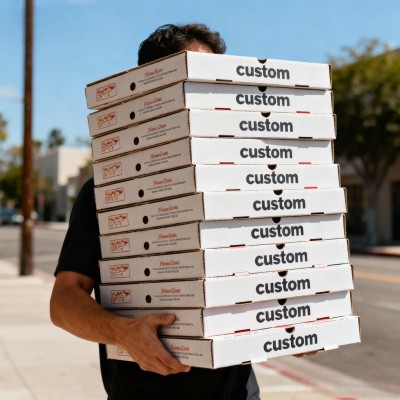
During major sports tournaments, commercial pizza chains and catering groups face massive order spikes, forcing procurement managers to upgrade packaging pipelines. This technical guide evaluates how sourcing heavy-duty corrugated pizza box lines from odpack.com prevents structural sagging caused by thermal moisture during high-density multi-tier delivery, helping enterprise volume buyers eliminate product damage and refund risks during peak seasonal events worldwide.
-
![Custom Kraft Paper Sushi Box with Window for Eco Sourcing]()
Custom Kraft Paper Sushi Box with Window for Eco Sourcing
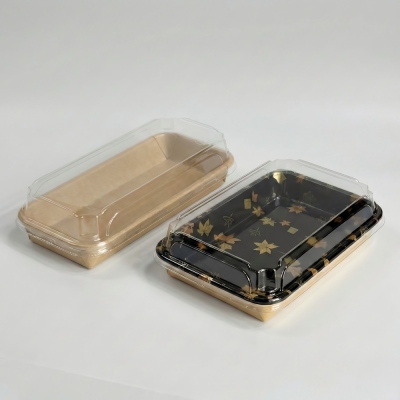
As global plastic bans tighten in 2026, premium catering buyers in the US and Europe face rising operational risks from non-compliant packaging. This article guides commercial food service providers on how sourcing custom kraft paper sushi box solutions from odpack.com eliminates regulatory fines, lowers shipping-related damage, and improves brand premium through high-visibility anti-fog window designs.
-
![Custom Printed Sushi Push Pop Tube Wholesale | odpack.com]()
Custom Printed Sushi Push Pop Tube Wholesale | odpack.com
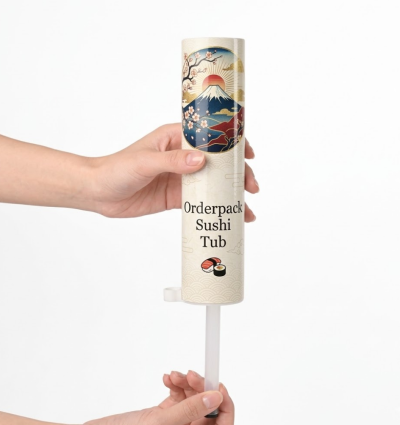
To-go sushi franchise chains and food service distributors across North America and Europe are rapidly replacing flat plastic clamshells with the custom sushi push up container from odpack.com to comply with strict single-use plastic bans. This transition is heavily driven by the high profit margins and viral social media branding of vertical, on-the-go dining. By manufacturing FDA-certified, leak-proof, and custom-sized packaging, odpack.com helps global restaurant owners eliminate delivery damage and scale supply chain stability with low MOQs and fast shipping.
-
![Bulk Bamboo Cup Trays: How to Reduce Shipping Costs by 50%]()
Bulk Bamboo Cup Trays: How to Reduce Shipping Costs by 50%
-
![Can You Put A Pizza Box In The Oven? (Safety Guide)]()
Can You Put A Pizza Box In The Oven? (Safety Guide)
-
![How to Keep Pizza Hotter for Longer in the Box?]()
How to Keep Pizza Hotter for Longer in the Box?
The material of your cardboard pizza boxes plays a massive role in heat retention. Standard cardboard is actually a decent insulator because it is porous and contains tiny air pockets. However, not all pizza packaging boxes are created equal. Thicker cardboard, often found in higher-end kraft pizza boxes, provides a greater barrier against the cold outside air. If you are serious about delivery quality, investing in thicker materials is a smart move, even if you use personalized pizza boxes for branding.
-
![What Is the Best Way to Store Pizza Boxes?]()
What Is the Best Way to Store Pizza Boxes?
When kraft pizza boxes absorb moisture from the air, they become soft, lose their structural integrity, and can even fail to hold their shape when a hot pizza is placed inside. Therefore, your storage area must be completely dry, well-ventilated, and climate-controlled. Always store your inventory off the concrete floor using wooden pallets or wire shelving. This simple step prevents wicking, where moisture from the floor travels up into your pizza packaging boxes and ruins them.