

Plastic Packaging Regulations: A 2025-2027 Compliance Timeline
2026-08-05 08:23
⏳ Why the Timeline Matters Now
Procurement managers handling food containers and wholesale containers across multiple jurisdictions face a compliance landscape where deadlines are no longer distant. The EU Single-Use Plastics Directive reached full member-state implementation in 2024. California SB 54 enters its first compliance checkpoint in 2027. Canada banned the manufacture and import of six single-use plastic categories with sale prohibitions active since December 2023.
Plastic packaging regulations across the three major markets share a common direction: the mandatory phaseout of conventional single-use plastic in food-contact applications.
The operational decision facing procurement teams involves not whether to transition food containers away from traditional plastic, but when and in what sequence. Transitioning too late risks non-compliance penalties and customs rejection. Transitioning too early without validated fiber packaging alternatives risks operational failure. The timeline below maps every major deadline procurement teams must track for sustainable packaging compliance between now and 2027.

🗺️ Regulatory Timeline: 2025 → 2026 → 2027
Q1
EU France AGEC Law — Full Enforcement
France banned plastic packaging for most fresh fruits and vegetables starting January 2025 under the AGEC anti-waste law (LOI n° 2020-105). Food service operators must provide reusable containers for on-site dining. While the fruit/vegetable provision directly affects retail packaging, the food service provision accelerates fiber packaging adoption across French quick-service and casual dining chains.
Q2
US Washington State — Expanded Polystyrene Ban Takes Effect
Washington state banned expanded polystyrene (EPS) EPS food-service ware effective June 2025 under RCW 70A.245. The ban covers all retail and food service establishments. Washington becomes the ninth US state with active EPS restrictions on food-contact wholesale containers.
Q3
Canada Federal Plastics Registry — Reporting Begins
Canada launched the Federal Plastics Registry in September 2025, requiring producers to report quantities of plastic packaging placed on the Canadian market. Reporting obligations apply to packaging producers, importers, and brand owners. The registry creates a compliance paper trail linking plastic packaging volumes to regulated entities, establishing infrastructure for future plastic packaging regulations enforcement.
Q1
EU PPWR — Packaging and Packaging Waste Regulation Enters Into Force
The EU PPWR (Regulation (EU) 2025/40) entered into force in February 2026, replacing the 1994 Packaging Directive. Key provisions mandatory recyclability by 2030 for all packaging, recycled content minimums (30% for contact-sensitive plastic packaging by 2030), and restrictions on specific single-use formats in the food service sector. The PPWR applies uniformly across all 27 EU member states.
Q3
US Colorado EPR — Producer Registration Deadline
Colorado Extended Producer Responsibility (HB22-1355) requires producers of sustainable packaging and all wholesale containers to register with the Circular Action Alliance by October 2026. Covered materials include paper, plastic, glass, and metal food service packaging. Registration precedes fee obligations beginning in 2027, making 2026 the preparatory year for compliance documentation.
Q1
US California SB 54 — First Compliance Checkpoint
California SB 54 requires all single-use packaging and food containers sold in California to be recyclable or compostable by 2032, with a 25% source reduction target. The 2027 checkpoint mandates producers demonstrating measurable progress toward reduction targets and submit compliance plans to CalRecycle. Plastic packaging regulations enforcement begins with documentation requirements before the physical material mandates take effect.
Q3
Global UN Global Plastics Treaty — Expected Finalization
The Intergovernmental Negotiating Committee (INC) process under UNEA Resolution 5/14 targets finalization of a legally binding global plastics treaty by mid-2027. While treaty specifics remain under negotiation, the direction of travel points toward production caps, chemical content disclosure requirements, and extended producer responsibility frameworks affecting fiber packaging and sustainable packaging supply chains globally.
📊 Which Product Categories Are Affected — and When
| Product Category | EU Deadline | California Deadline | Canada Deadline | Action Required |
|---|---|---|---|---|
| Plastic Bowls & Cups (EPS) | Banned 2021 | Phaseout by 2032 | Banned Dec 2023 | Immediate switch to fiber packaging bowls |
| Plastic Food Containers (non-EPS) | PPWR recycled content by 2030 | Recyclable by 2032 | Reporting required 2025+ | Begin sustainable packaging qualification |
| Plastic Lids & Cutlery | Banned (cutlery) / PPWR (lids) | Source reduction 2027+ | Banned Dec 2023 | Switch to fiber/PLA/wood alternatives |
| PE-Coated Paper Containers | PPWR recyclable by 2030 | Recyclable by 2032 | Not banned (paper-based) | Evaluate water-based coatings |
| Plastic Bags & Wraps | Reduction targets 2025+ | 25% reduction by 2032 | Banned Dec 2023 | Switch to paper or compostable |
What Procurement Teams Should Do Now
First, audit the current food containers SKU list against the regulatory deadlines above. Identify every SKU containing EPS, conventional polypropylene, or PE-coated paper used in jurisdictions with active or pending plastic packaging regulations. Second, prioritize the highest-volume SKUs shipping to California, EU member states, and Canada for immediate fiber packaging qualification.
Third, request regulatory compliance documentation from all wholesale containers suppliers covering each destination jurisdiction. Fourth, begin qualifying alternative sustainable packaging materials now rather than waiting for deadline pressure to compress the qualification timeline.
ODPACK manufactures fiber bowls, containers, and custom-printed food containers meeting current and planned plastic packaging regulations across the EU, California, and Canadian markets. Full FDA, LFGB, and EU 1935/2004 compliance documentation ships with every wholesale containers order. Fiber forming and finishing lines in the Xiamen facility run dedicated capacity for chain restaurant and wholesale distribution programs requiring sustainable packaging at scale.
📋 Need a Compliance Gap Analysis?
Contact ODPACK for regulatory compliance documentation, fiber packaging samples, and transition timeline planning.
📧 info@orderpack.cn | 📞 +86 135 999 10171 | 🌐 www.odpack.com
Frequently Asked Questions
Which single-use plastic food containers are already banned?
EPS (expanded polystyrene) cups, bowls, plates, and clamshells are banned in the EU (2021), Canada (2023), and Washington state (2025). Cutlery, stirrers, and straws face similar bans. Conventional polypropylene and PET food containers are not yet banned but face recycled content mandates under plastic packaging regulations.
When do California SB 54 requirements actually begin?
Producer registration and compliance plan submission begins in 2027. The 25% source reduction and 65% recycling rate targets take effect in 2032. However, major chains sourcing wholesale containers for California distribution should begin fiber packaging qualification now — supplier qualification and operational testing require 12 to 24 months for chain-scale programs.
Does the EU PPWR ban all plastic food packaging?
No. The PPWR sets recyclability requirements and recycled content minimums rather than banning specific materials. Plastic food containers remain permitted provided the packaging meets recyclability standard by 2030 and incorporate the prescribed percentage of post-consumer recycled content. Sustainable packaging alternatives like fiber and PLA offer proactive compliance pathways.
How do I verify a supplier actually complies?
Request jurisdiction-specific compliance documentation: EU Declaration of Conformity under (EU) 2019/904 and PPWR, FDA food-contact substance notification for US shipments, and Health Canada letters of no objection for Canadian fiber packaging. Third-party testing certificates from ISO 17025 accredited laboratories provide independent verification of material composition claims for plastic packaging regulations compliance.
Sources & References
EU Directive (EU) 2019/904 — Single-Use Plastics Directive, Official Journal of the European Union, June 2019
EU Regulation (EU) 2025/40 — Packaging and Packaging Waste Regulation (PPWR), published January 2025, in force February 2026
California SB 54 — Plastic Pollution Prevention and Packaging Producer Responsibility Act, signed June 2022
Canada SUPPR — Single-Use Plastics Prohibition Regulations, SOR/2022-138, June 2022
Canada Federal Plastics Registry — Notice under Section 46 of CEPA, published September 2025
Washington State RCW 70A.245 — Expanded Polystyrene Ban, effective June 2025
Colorado HB22-1355 — Producer Responsibility for Recycling, signed June 2022
France AGEC Law — LOI n° 2020-105, Anti-Waste for a Circular Economy, February 2020
UNEA Resolution 5/14 — End Plastic Pollution, March 2022
Related News
Read More >-
![Why Chain Restaurants Are Switching to Fiber Packaging in 2026]()
Why Chain Restaurants Are Switching to Fiber Packaging in 2026
In 2026, major restaurant chains accelerate the shift from plastic to fiber packaging. ODPACK analyzes the policy drivers, cost dynamics, and three brand case studies behind the industry-wide transition reshaping food containers procurement.
-
![Why Order by August Cuts 30% Cost]()
Why Order by August Cuts 30% Cost
July 2026: Procurement managers face a Q4 food packaging deadline. Ordering by August prevents 30% cost increases. ODPACK explains the timeline, factory capacity, and strategy for wholesale buyers.
-
![Crush Resistant Pizza Boxes for Heavy Stacking Delivery]()
Crush Resistant Pizza Boxes for Heavy Stacking Delivery
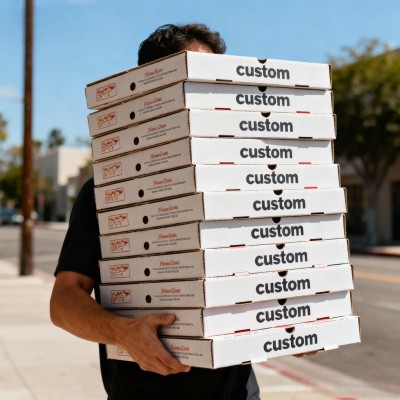
During major sports tournaments, commercial pizza chains and catering groups face massive order spikes, forcing procurement managers to upgrade packaging pipelines. This technical guide evaluates how sourcing heavy-duty corrugated pizza box lines from odpack.com prevents structural sagging caused by thermal moisture during high-density multi-tier delivery, helping enterprise volume buyers eliminate product damage and refund risks during peak seasonal events worldwide.
-
![Custom Kraft Paper Sushi Box with Window for Eco Sourcing]()
Custom Kraft Paper Sushi Box with Window for Eco Sourcing
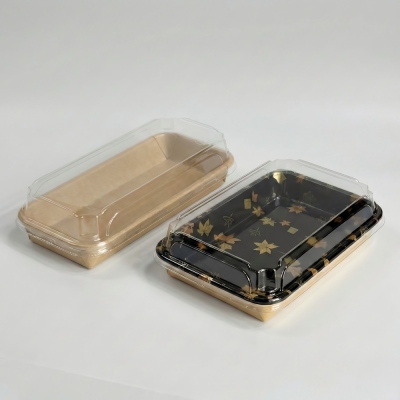
As global plastic bans tighten in 2026, premium catering buyers in the US and Europe face rising operational risks from non-compliant packaging. This article guides commercial food service providers on how sourcing custom kraft paper sushi box solutions from odpack.com eliminates regulatory fines, lowers shipping-related damage, and improves brand premium through high-visibility anti-fog window designs.
-
![Custom Printed Sushi Push Pop Tube Wholesale | odpack.com]()
Custom Printed Sushi Push Pop Tube Wholesale | odpack.com
To-go sushi franchise chains and food service distributors across North America and Europe are rapidly replacing flat plastic clamshells with the custom sushi push up container from odpack.com to comply with strict single-use plastic bans. This transition is heavily driven by the high profit margins and viral social media branding of vertical, on-the-go dining. By manufacturing FDA-certified, leak-proof, and custom-sized packaging, odpack.com helps global restaurant owners eliminate delivery damage and scale supply chain stability with low MOQs and fast shipping.
-
![Bulk Bamboo Cup Trays: How to Reduce Shipping Costs by 50%]()
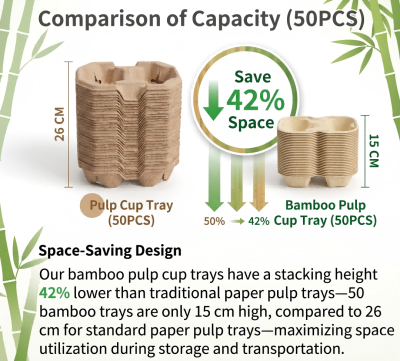
Bulk Bamboo Cup Trays: How to Reduce Shipping Costs by 50%
-
![Can You Put A Pizza Box In The Oven? (Safety Guide)]()
Can You Put A Pizza Box In The Oven? (Safety Guide)
-
![How to Keep Pizza Hotter for Longer in the Box?]()
How to Keep Pizza Hotter for Longer in the Box?
The material of your cardboard pizza boxes plays a massive role in heat retention. Standard cardboard is actually a decent insulator because it is porous and contains tiny air pockets. However, not all pizza packaging boxes are created equal. Thicker cardboard, often found in higher-end kraft pizza boxes, provides a greater barrier against the cold outside air. If you are serious about delivery quality, investing in thicker materials is a smart move, even if you use personalized pizza boxes for branding.