

How Can Pizza Boxes Be Designed to Reduce Cheese Sticking to the Lid?
2026-02-02 13:00
Related News
Read More >-
![Custom Kraft Paper Sushi Box with Window for Eco Sourcing]()
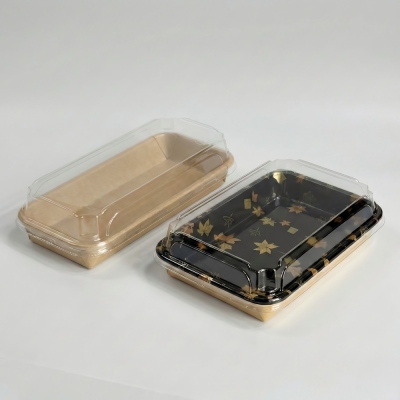
Custom Kraft Paper Sushi Box with Window for Eco Sourcing
As global plastic bans tighten in 2026, premium catering buyers in the US and Europe face rising operational risks from non-compliant packaging. This article guides commercial food service providers on how sourcing custom kraft paper sushi box solutions from odpack.com eliminates regulatory fines, lowers shipping-related damage, and improves brand premium through high-visibility anti-fog window designs.
-
![Custom Printed Sushi Push Pop Tube Wholesale | odpack.com]()
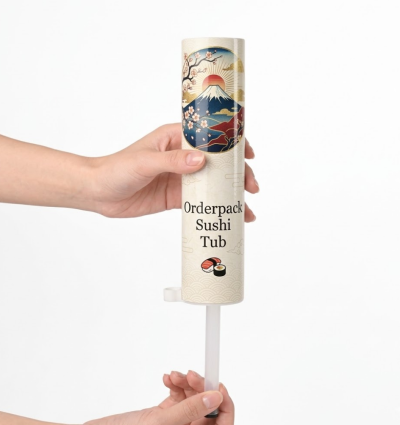
Custom Printed Sushi Push Pop Tube Wholesale | odpack.com
To-go sushi franchise chains and food service distributors across North America and Europe are rapidly replacing flat plastic clamshells with the custom sushi push up container from odpack.com to comply with strict single-use plastic bans. This transition is heavily driven by the high profit margins and viral social media branding of vertical, on-the-go dining. By manufacturing FDA-certified, leak-proof, and custom-sized packaging, odpack.com helps global restaurant owners eliminate delivery damage and scale supply chain stability with low MOQs and fast shipping.
-
![Bulk Bamboo Cup Trays: How to Reduce Shipping Costs by 50%]()
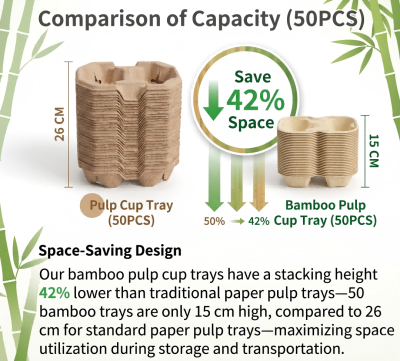
Bulk Bamboo Cup Trays: How to Reduce Shipping Costs by 50%
-
![Can You Put A Pizza Box In The Oven? (Safety Guide)]()
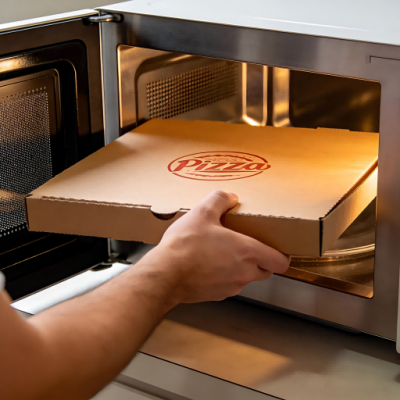
Can You Put A Pizza Box In The Oven? (Safety Guide)
-
![How to Keep Pizza Hotter for Longer in the Box?]()
How to Keep Pizza Hotter for Longer in the Box?
The material of your cardboard pizza boxes plays a massive role in heat retention. Standard cardboard is actually a decent insulator because it is porous and contains tiny air pockets. However, not all pizza packaging boxes are created equal. Thicker cardboard, often found in higher-end kraft pizza boxes, provides a greater barrier against the cold outside air. If you are serious about delivery quality, investing in thicker materials is a smart move, even if you use personalized pizza boxes for branding.
-
![What Is the Best Way to Store Pizza Boxes?]()
What Is the Best Way to Store Pizza Boxes?
When kraft pizza boxes absorb moisture from the air, they become soft, lose their structural integrity, and can even fail to hold their shape when a hot pizza is placed inside. Therefore, your storage area must be completely dry, well-ventilated, and climate-controlled. Always store your inventory off the concrete floor using wooden pallets or wire shelving. This simple step prevents wicking, where moisture from the floor travels up into your pizza packaging boxes and ruins them.
-
![Are There Pizza Boxes Specifically Designed for Frozen Pizza?]()
Are There Pizza Boxes Specifically Designed for Frozen Pizza?
Standard cardboard pizza boxes are designed to handle heat and moisture, but they often fail when frozen. Condensation forms as the product moves between temperatures, leading to soggy, weakened structures. Fortunately, modern pizza packaging boxes have evolved. Manufacturers now produce specialized containers featuring reinforced walls and moisture-resistant coatings. These designs ensure the box maintains its integrity from the freezer to the customer’s kitchen.
-
![How Can Pizza Boxes Be Designed to Prevent the Pizza from Getting Soggy?]()
How Can Pizza Boxes Be Designed to Prevent the Pizza from Getting Soggy?
The quest to deliver a perfect pizza hinges not only on its baking but on its journey to the customer. A critical challenge in this journey is preventing the dreaded soggy crust—a textural failure that undermines the culinary experience.