How Can You Test the Durability and Insulation Performance of a Pizza Box?
2026-02-04 13:00
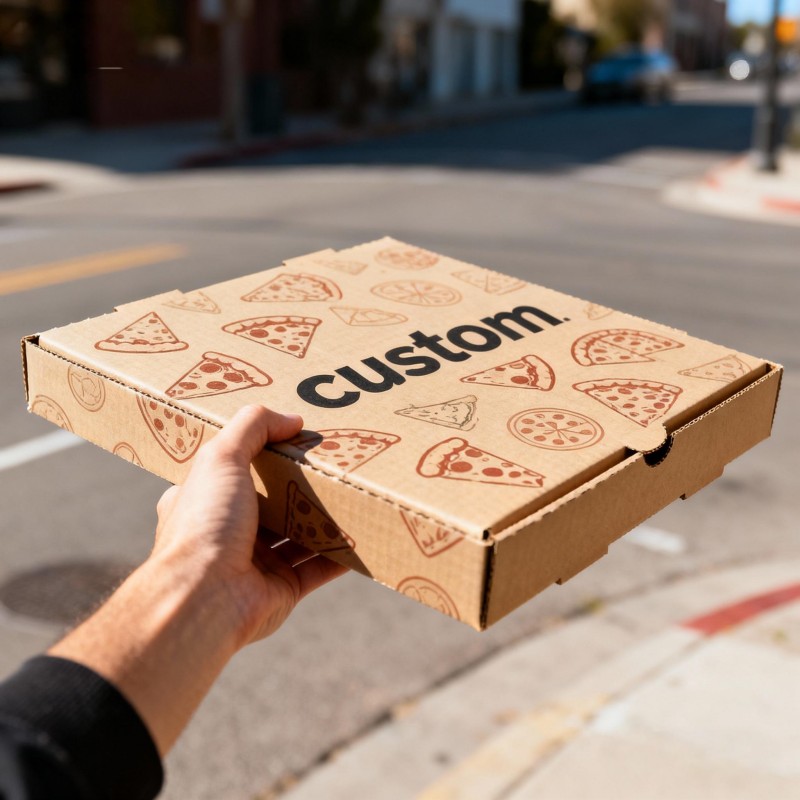
In the competitive world of food delivery, the humble pizza box serves as the final guardian of product quality, customer satisfaction, and brand reputation. For manufacturers, pizzerias, and quality assurance teams, rigorously testing the pizza packaging box is as crucial as perfecting the recipe itself. Two critical performance metrics stand out: durability, which ensures the pizza arrives intact, and insulation, which preserves optimal temperature and freshness. Whether evaluating standard corrugated pizza boxes or premium personalized pizza boxes, a systematic testing protocol is essential.
Testing Durability: Simulating the Journey from Oven to Doorstep
The durability of cardboard pizza boxes are challenged by stacking, compression, humidity, and handling shocks.
Compression Strength Test (Box Crush Test): This is the foundational test for corrugated pizza boxes. It measures the maximum force a box can withstand before collapsing when stacked vertically. A machine applies increasing pressure to the top of the box until failure. This test simulates the weight of multiple boxes stacked in a delivery bag or during storage, ensuring the bottom box doesn't buckle. Results are critical for determining safe stacking heights in transit and inventory.
Edge Crush Test (ECT): While the box crush test evaluates the assembled unit, the ECT assesses the inherent strength of the corrugated board itself. It measures the force required to crush a vertical segment of the fluted medium. A higher ECT value indicates stronger board, which directly translates to more robust pizza boxes capable of protecting their contents from crushing forces during handling and transport.
Vibration and Shock Testing: To simulate the real-world rigors of delivery—potholes, sudden stops, and general handling—boxes undergo vibration table tests and drop tests. A filled pizza packaging box is subjected to controlled vibrations replicating road frequencies. Subsequent drop tests from standard heights (e.g., 30-60 cm) onto corners, edges, and flat surfaces assess the box's ability to absorb impact without catastrophic failure or allowing the pizza to shift dramatically inside.
Moisture Resistance and Wet Strength Test: Steam from a hot pizza can weaken cardboard pizza boxes. Testing involves exposing the box material to high humidity or a controlled mist spray for a set period, then immediately conducting a compression or tear test. This evaluates how well the box maintains its structural integrity in a damp environment, a common real-world condition.
pizza packaging box
corrugated pizza boxes
cardboard pizza boxes
pizza packaging box
Testing Insulation Performance: Preserving Heat and Quality
Insulation is key to delivering a hot, fresh-tasting pizza. Even beautifully personalized pizza boxes must perform this core function.
Thermal Conductivity Measurement: Specialized equipment (like a heat flow meter) can directly measure the thermal conductivity (k-value) of the corrugated board. Lower k-values indicate better insulating properties. The air trapped within the flutes of corrugated pizza boxes acts as the primary insulator, so this test quantifies the material's inherent ability to slow heat transfer.
Controlled Chamber Temperature Retention Test: This is the most practical and telling insulation test. A freshly baked pizza (or a thermal mass simulating it, like a heated stone or gel pack) at a standard temperature (e.g., 85°C/185°F) is placed in the test pizza packaging box. The box is closed and placed in a controlled ambient environment (e.g., 22°C/72°F). Thermocouples placed inside the box, on the "pizza" surface, and in the ambient air record temperature drop over a standard delivery time (e.g., 30-45 minutes). The rate of heat loss and the final internal temperature provide a direct performance benchmark.
Condensation Management Evaluation: Related to insulation, this test assesses how well the box manages moisture vapor. High internal heat causes steam, which condenses on the cooler lid, potentially making the box soggy and the pizza crust limp. By weighing the box before and after the temperature retention test, or by using moisture sensors, testers can quantify moisture absorption. Well-designed boxes, especially those with grease-resistant or vapor-barrier coatings, will show lower moisture uptake.
Integrating Tests for Custom Solutions
For brands investing in personalized pizza boxes, this testing regimen is vital for prototyping and final quality control. It ensures that unique sizes, custom die-cut handles, special coatings, or alternative flute profiles do not compromise the core protective functions. A personalized pizza boxes design might pass aesthetic checks but fail under compression if the structural integrity is weakened by a large cut-out. Similarly, an embossed logo on the lid could create thin spots affecting insulation.
Testing the durability and insulation of pizza boxes are a multifaceted science that goes far beyond simple visual inspection. From the fundamental strength tests for corrugated pizza boxes to the precise thermal analysis of a pizza packaging box, each procedure provides data to optimize performance. By rigorously applying these tests to both standard cardboard pizza boxes and innovative personalized pizza boxes, the industry can ensure that every pizza arrives not just as ordered, but as perfected—hot, intact, and delicious.
pizza packaging box
corrugated pizza boxes
cardboard pizza boxes
Related News
Read More >-
How Can Pizza Boxes Be Designed to Reduce Cheese Sticking to the Lid?
Preventing cheese from sticking to the lid is a solvable engineering challenge within pizza packaging box design. By moving beyond passive cardboard pizza boxes to actively engineered solutions—utilizing coated materials in kraft pizza boxes, intelligent structural designs, and innovative features in custom pizza boxes—manufacturers and pizzerias can ensure their product arrives in pristine, appetizing condition.
-
How Do Paper Pizza Boxes Achieve Grease and Leak Resistance?
PE is a food-safe plastic that provides an excellent barrier against oils and liquids. During production, cardboard pizza boxes are passed through machines that apply a molten PE film, which cools to form a seamless, waterproof lining. This coating not only prevents grease from seeping through but also enhances the box’s rigidity, helping it retain heat. While highly effective, the use of PE has drawn environmental scrutiny due to its plastic content, prompting the industry to explore greener alternatives.
-
How to Evaluate the Thermal Insulation Performance of Pizza Boxes?
Evaluating a pizza box's thermal performance through systematic thermal imaging testing is no longer a niche practice but a cornerstone of quality assurance in food delivery. The 30-minute, ≥60°C benchmark under 20°C ambient conditions provides a clear, measurable goal. From standard cardboard pizza boxes to eco-friendly kraft pizza boxes and branded custom pizza boxes, every design can and should be held to this standard.
-
What Are the Surface Finishes Available for Pizza Boxes?
Common treatments range from simple, uncoated surfaces to sophisticated printed and protective coatings, including plain kraft, high-quality printing, gloss or matte varnishes, and specialized food-grade barriers. Understanding these options allows pizzerias and restaurants to select the optimal custom pizza boxes that align with their brand identity, operational needs, and sustainability goals.
-
How to Choose the Right Paper Burger Box for Your Business?
Choosing the right paper burger box for your business is a strategic process. It involves matching the hamburger box size and grease resistance to your product, leveraging takeaway burger boxes for effective branding, aligning cardboard burger boxes with your sustainability mission, and balancing all factors within a sensible budget.
-
How To Prevent Burgers From Getting Soggy In A Paper Box?
Preventing a burger from becoming soggy in a paper burger box is an achievable goal that hinges on intelligent packaging choices and mindful preparation. By using vented burger box packaging, incorporating a grease-resistant liner, and allowing the burger to cool slightly, you can effectively control moisture and steam.
-
Are Paper Burger Boxes FDA-Approved?
When selecting packaging for food products, especially items as popular and globally consumed as burgers, safety and regulatory compliance are non-negotiable priorities. Choosing burger boxes from a trusted supplier like Orderpack, which guarantees the use of FDA-compliant materials, provides critical advantages: ensuring consumer safety, offering regulatory protection, enhancing brand trust, and delivering reliable performance.
-
How to Ensure the Printing Quality of Customized Pizza Box Designs?