

What Is The Carbon Footprint Of Paper Coffee Cups?
2026-01-02 13:00
In an era of growing environmental awareness, consumers and businesses are increasingly questioning the ecological impact of everyday products. Among these, paper coffee cups have come under scrutiny due to their widespread use and complex lifecycle. The carbon footprint of disposable coffee cups encompasses emissions from raw material extraction, manufacturing, transportation, use, and disposal. Understanding this footprint is essential for making informed choices, whether you are sipping from standard takeaway coffee cups, using paper coffee cups with lids, or opting for textured ripple coffee cups.
The production of paper coffee cups begins with forestry and pulp processing, which contribute significantly to their carbon footprint. Trees absorb carbon dioxide (CO₂) as they grow, but manufacturing processes—including logging, pulp bleaching, and paperboard production—require substantial energy, often derived from fossil fuels. Additionally, most disposable coffee cups are lined with polyethylene (PE) or polylactic acid (PLA) to prevent leakage. Applying these linings involves further energy consumption and emissions. For ripple coffee cups, which feature a textured insulating layer, the manufacturing process may be slightly more resource-intensive due to their multi-layer structure.
Transportation adds another layer to the carbon footprint. Paper coffee cups with lids are often produced in one region, printed or customized in another, and distributed globally to cafes, offices, and retailers. Each leg of this journey—by ship, plane, or truck—burns fuel and releases greenhouse gases. Even takeaway coffee cups designed for local use may travel long distances before reaching the end consumer. Lightweight as they are, the sheer volume of disposable coffee cup used worldwide makes transportation a notable contributor to their overall emissions.
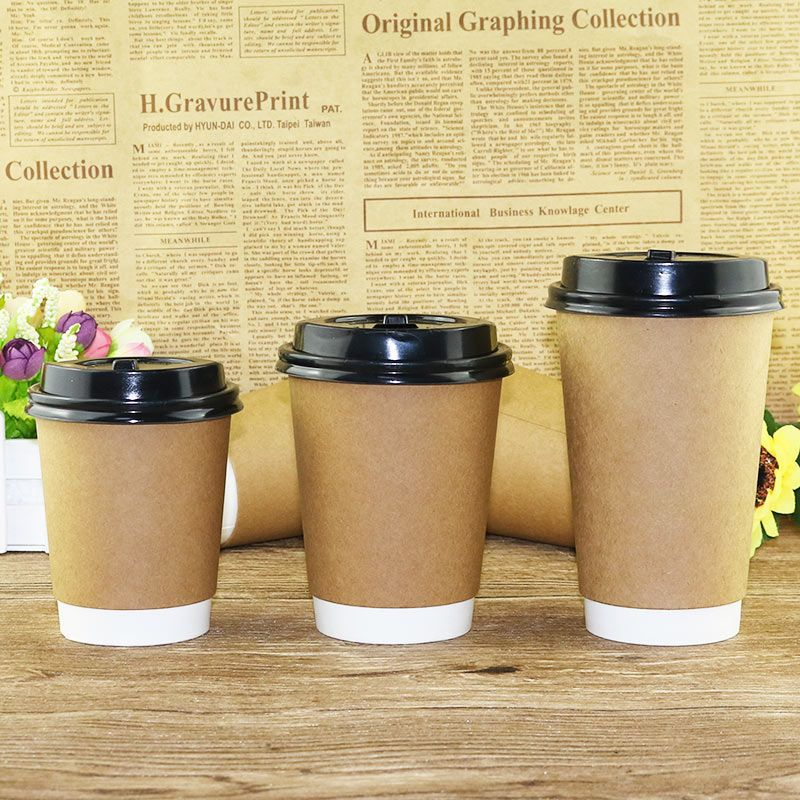
disposable coffee cups
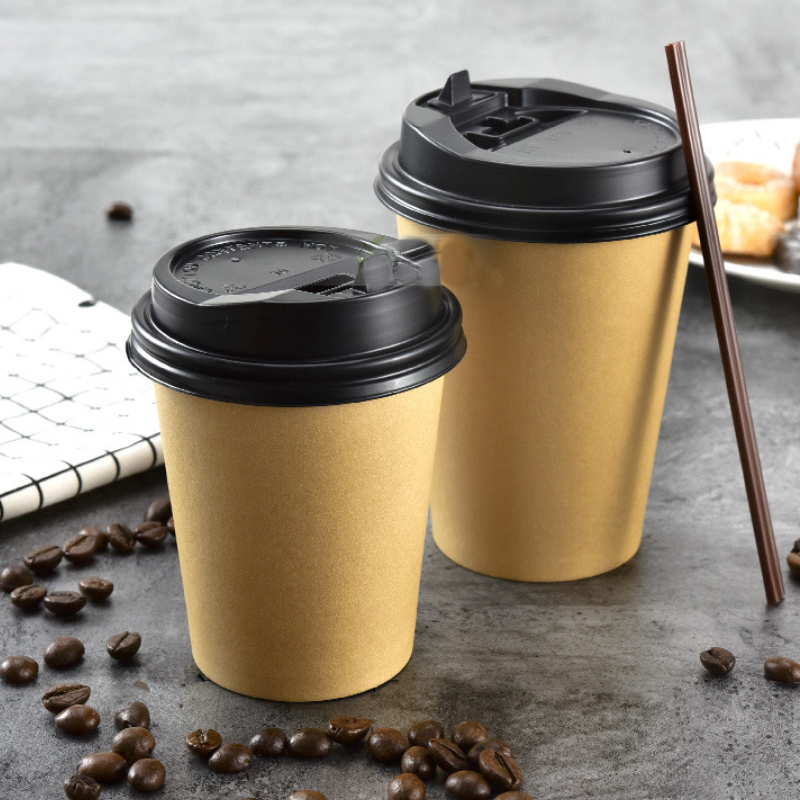
takeaway coffee cups
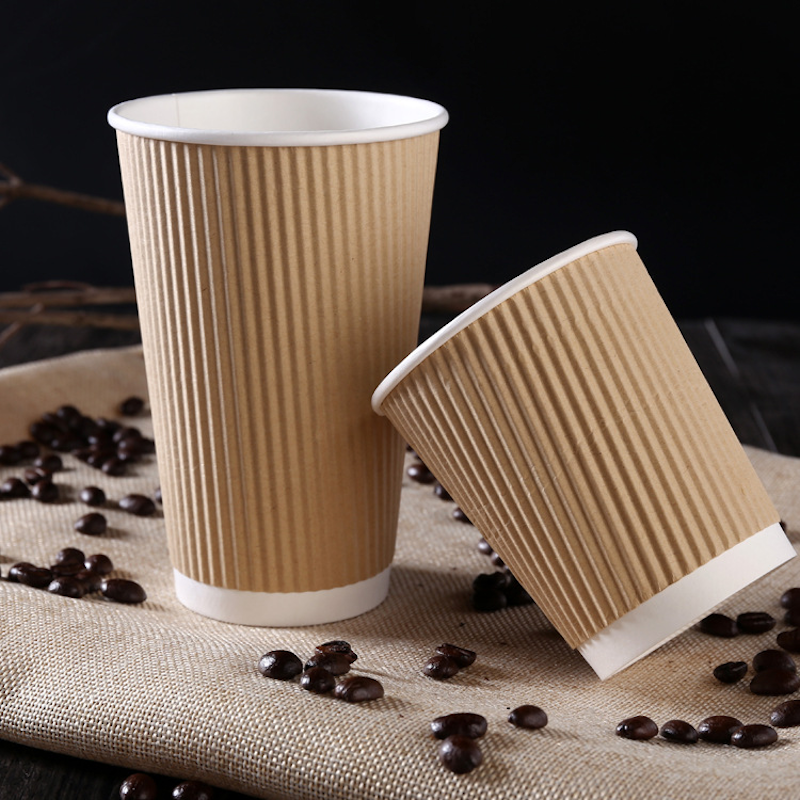
ripple coffee cups
The use phase of paper coffee cups also has environmental implications. While they are intended for single use, their insulating properties—especially in the case of ripple coffee cups—can reduce the need for double-cupping or sleeves, potentially lowering material waste. However, if hot beverages are served in paper coffee cups with lids, the energy used to heat the water (often from non-renewable sources) forms part of the broader carbon footprint associated with coffee consumption.
End-of-life processing is perhaps the most critical factor. Most disposable coffee cups end up in landfills, where they decompose anaerobically and release methane—a potent greenhouse gas. Recycling is challenging due to the plastic lining, though some facilities can separate the paper fiber for reprocessing. Compostable paper coffee cups, including certain ripple coffee cups and paper coffee cups with lids, offer a lower-emission alternative if processed in industrial composting facilities. However, when sent to landfills, their decomposition may still generate methane.
So, what is the approximate carbon footprint of a single paper coffee cup? Studies estimate that a standard takeaway coffee cup generates between 0.11 and 0.25 kilograms of CO₂ equivalent throughout its lifecycle. This range varies based on cup size, lining material, transportation distance, and disposal method. For context, using a reusable cup dozens of times typically results in a lower per-use footprint than disposable coffee cups.
Reducing the carbon footprint of paper coffee cups requires action across the supply chain. Manufacturers can adopt renewable energy, increase recycled content, and develop thinner, functional linings. Consumers can choose ripple coffee cups or paper coffee cups with lids made from responsibly sourced materials, dispose of them properly, and embrace reusables when possible. Businesses offering takeaway coffee cups can opt for low-carbon designs and educate customers on sustainable disposal.
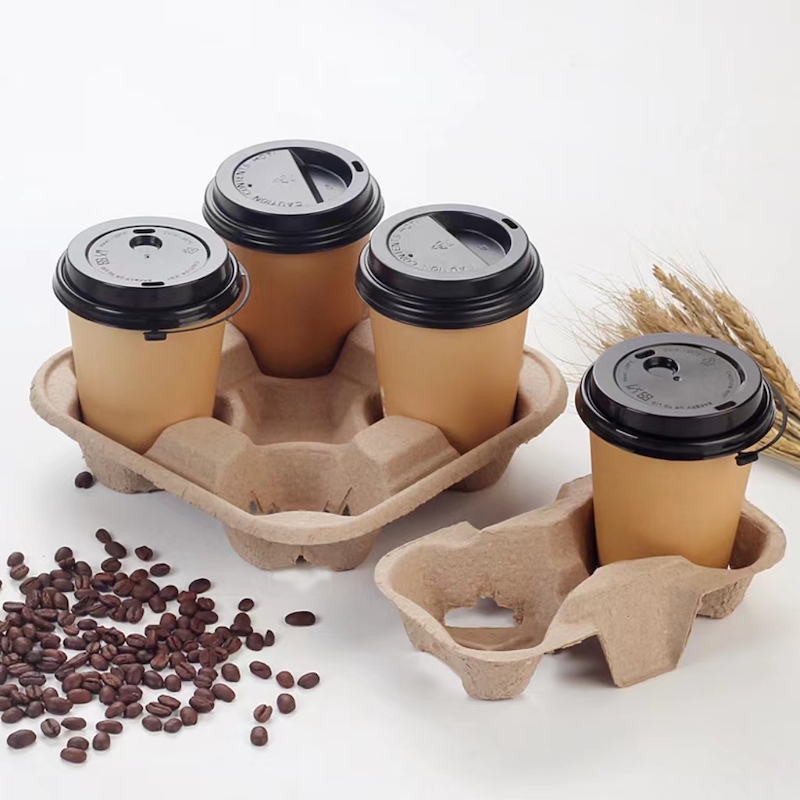
paper coffee cups with lids
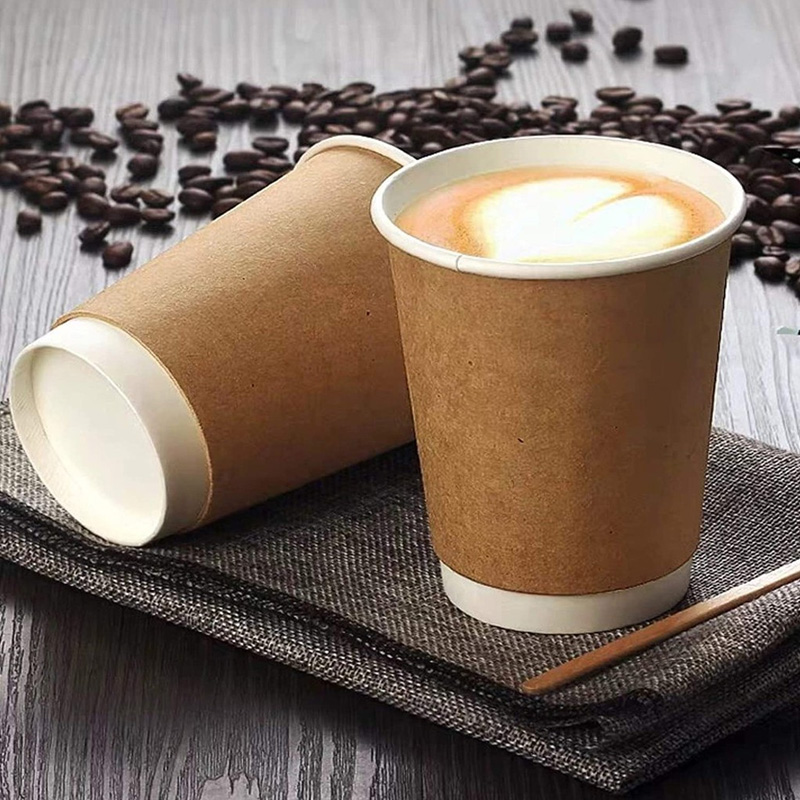
disposable coffee cups
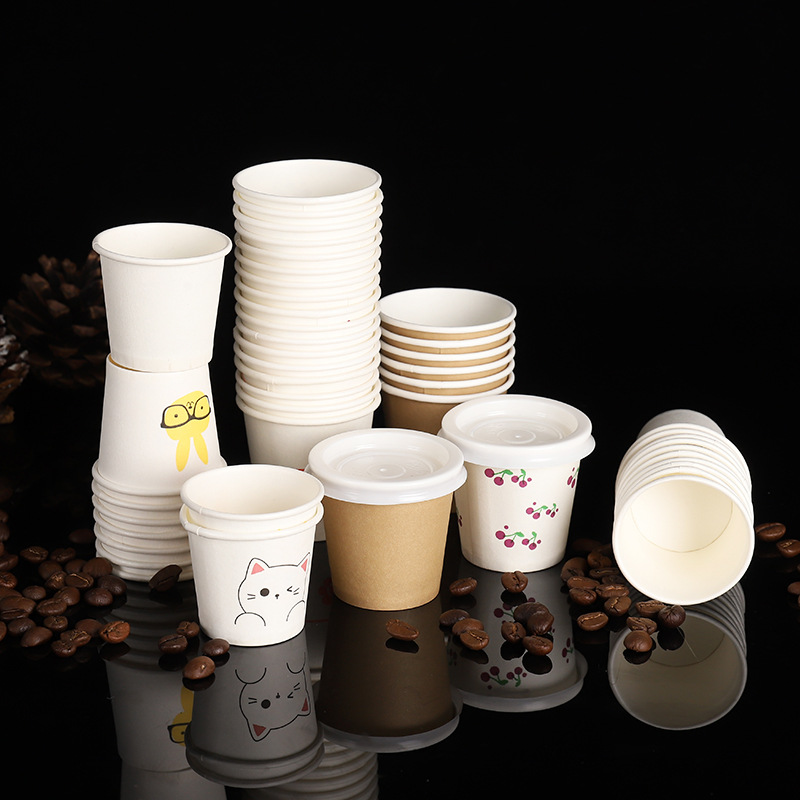
disposable coffee cups
The carbon footprint of paper coffee cups are multifaceted but measurable. By understanding the emissions associated with each life stage, we can make more sustainable choices and support innovations that lessen the environmental impact of our daily routines. Whether you are a producer, retailer, or consumer, every step toward reducing this footprint contributes to a healthier planet.
Xiamen Order Pack Tech, Co., Ltd. As a Professional Manufacturer & Supplier of disposable and Eco-friendly Tableware and Package, Specialized in producing and selling disposable food packaging for over 10 years. Our Products include disposable cutlery , food packaging boxes cups bowls and plates , drinking straws , paper bucket,wrap paper , paper bags and other biodegradable products,including bagasse pulp PLA and cornstarch tableware .Our products have passed ISO, BRC , FSC certificates, etc. and meet the FDA and EU standards requirement.
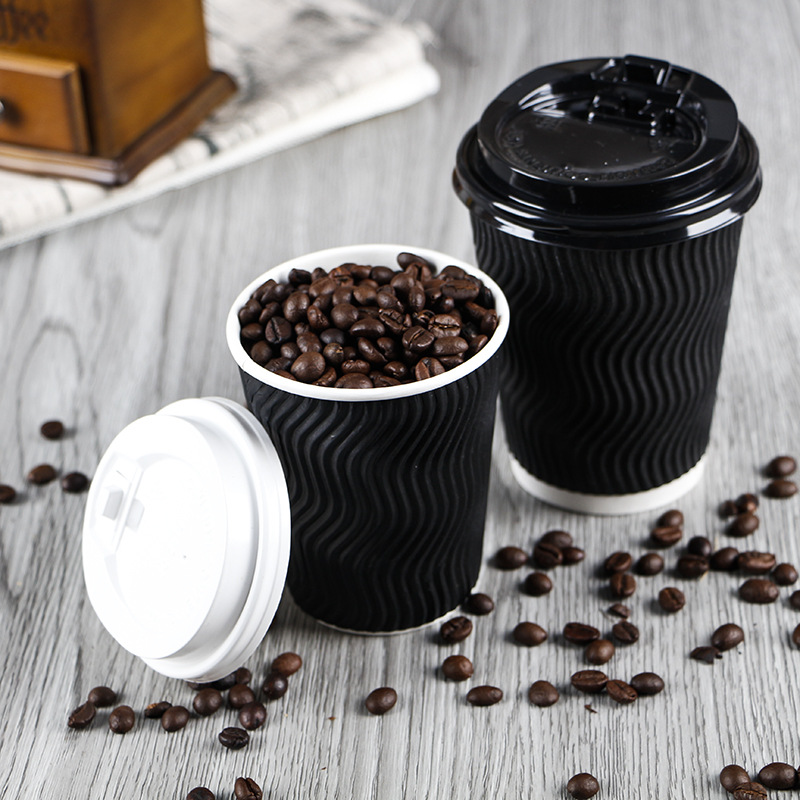
takeaway coffee cups
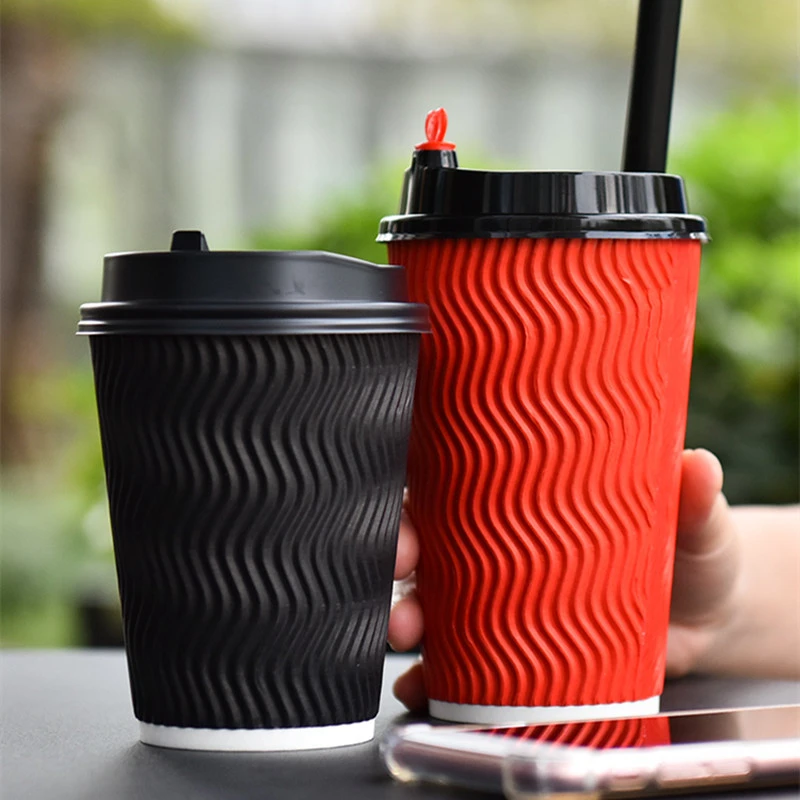
ripple coffee cups
Related News
Read More >-
![Plastic Packaging Regulations: A 2025-2027 Compliance Timeline]()
Plastic Packaging Regulations: A 2025-2027 Compliance Timeline
From the EU to California to Canada, single-use plastic packaging regulations are accelerating. ODPACK maps every major compliance deadline between 2025 and 2027, showing which food containers, bowls, and packaging categories face mandatory material changes and when.
-
![Why Chain Restaurants Are Switching to Fiber Packaging in 2026]()
Why Chain Restaurants Are Switching to Fiber Packaging in 2026
In 2026, major restaurant chains accelerate the shift from plastic to fiber packaging. ODPACK analyzes the policy drivers, cost dynamics, and three brand case studies behind the industry-wide transition reshaping food containers procurement.
-
![Why Order by August Cuts 30% Cost]()
Why Order by August Cuts 30% Cost
July 2026: Procurement managers face a Q4 food packaging deadline. Ordering by August prevents 30% cost increases. ODPACK explains the timeline, factory capacity, and strategy for wholesale buyers.
-
![Crush Resistant Pizza Boxes for Heavy Stacking Delivery]()
Crush Resistant Pizza Boxes for Heavy Stacking Delivery
During major sports tournaments, commercial pizza chains and catering groups face massive order spikes, forcing procurement managers to upgrade packaging pipelines. This technical guide evaluates how sourcing heavy-duty corrugated pizza box lines from odpack.com prevents structural sagging caused by thermal moisture during high-density multi-tier delivery, helping enterprise volume buyers eliminate product damage and refund risks during peak seasonal events worldwide.
-
![Custom Kraft Paper Sushi Box with Window for Eco Sourcing]()
Custom Kraft Paper Sushi Box with Window for Eco Sourcing
As global plastic bans tighten in 2026, premium catering buyers in the US and Europe face rising operational risks from non-compliant packaging. This article guides commercial food service providers on how sourcing custom kraft paper sushi box solutions from odpack.com eliminates regulatory fines, lowers shipping-related damage, and improves brand premium through high-visibility anti-fog window designs.
-
![Custom Printed Sushi Push Pop Tube Wholesale | odpack.com]()
Custom Printed Sushi Push Pop Tube Wholesale | odpack.com
To-go sushi franchise chains and food service distributors across North America and Europe are rapidly replacing flat plastic clamshells with the custom sushi push up container from odpack.com to comply with strict single-use plastic bans. This transition is heavily driven by the high profit margins and viral social media branding of vertical, on-the-go dining. By manufacturing FDA-certified, leak-proof, and custom-sized packaging, odpack.com helps global restaurant owners eliminate delivery damage and scale supply chain stability with low MOQs and fast shipping.
-
![Bulk Bamboo Cup Trays: How to Reduce Shipping Costs by 50%]()
Bulk Bamboo Cup Trays: How to Reduce Shipping Costs by 50%
-
![Can You Put A Pizza Box In The Oven? (Safety Guide)]()
Can You Put A Pizza Box In The Oven? (Safety Guide)