What is the future of foodpackaging technology?
2023-11-29 15:54
The future of food packaging technology is a topic of great interest and importance in today's world. With the increasing demand for convenient, sustainable, and safe packaging solutions, the food packaging industry is constantly evolving to meet these needs. In this essay, we will explore the current state of food packaging technology and discuss the potential future developments in this field.
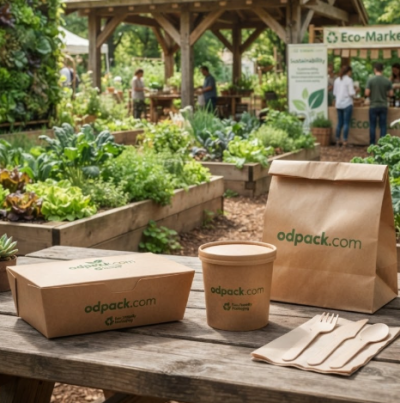
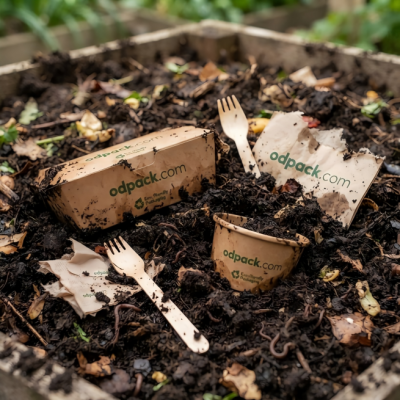
The food packaging industry has come a long way in recent years, with significant advancements in materials, design, and manufacturing processes. Traditional packaging materials such as plastic, glass, and metal have been widely used for decades, but they are now being replaced by more sustainable and innovative alternatives. Biodegradable and compostable materials, such as plant-based plastics and paper-based packaging, are gaining popularity as consumers become more conscious of the environmental impact of packaging waste. These materials offer a more sustainable solution to traditional packaging, reducing the reliance on non-renewable resources and minimizing the amount of waste that ends up in landfills.

In addition to sustainable materials, the future of food packaging technology also involves advancements in design and functionality. Smart packaging, which incorporates sensors and other electronic components, is becoming more prevalent in the industry. These technologies can provide real-time information about the condition of the food inside the package, such as temperature, freshness, and shelf life. This not only ensures the safety and quality of the food but also helps reduce food waste by alerting consumers and retailers when the product is nearing its expiration date.
Furthermore, the use of active packaging technologies, such as antimicrobial and oxygen scavenging agents, is also on the rise. These technologies help extend the shelf life of food products by inhibiting the growth of bacteria and other microorganisms, as well as preventing oxidation and spoilage. This not only improves the safety and quality of the food but also reduces the need for preservatives and additives, making the packaging more appealing to health-conscious consumers.

Another area of focus in the future of food packaging technology is the development of intelligent and sustainable packaging solutions. This includes the use of recyclable and reusable packaging, as well as the integration of biodegradable and edible packaging materials. Edible packaging, in particular, has gained attention as a novel and sustainable solution to packaging waste. Made from natural ingredients such as seaweed, starch, and proteins, edible packaging can be consumed along with the food, eliminating the need for disposal and reducing the environmental impact of packaging waste.
Furthermore, advancements in 3D printing technology are also expected to revolutionize the food packaging industry. This technology allows for the customization and personalization of packaging designs, as well as the production of complex and intricate shapes that were previously impossible to achieve with traditional manufacturing methods. 3D printing also offers the potential for on-demand and localized production, reducing the need for large-scale manufacturing and transportation of packaging materials.

In conclusion, the future of food packaging technology is promising, with a focus on sustainability, functionality, and innovation. As consumer demand for convenient, safe, and environmentally friendly packaging solutions continues to grow, the industry is evolving to meet these needs. With advancements in materials, design, and manufacturing processes, the future of food packaging technology holds great potential for creating more sustainable, efficient, and appealing packaging solutions for the food industry. As technology continues to advance, it is likely that we will see even more exciting developments in the years to come, further shaping the future of food packaging technology.
Related News
Read More >-
How Can Pizza Boxes Be Designed to Prevent the Pizza from Getting Soggy?
The quest to deliver a perfect pizza hinges not only on its baking but on its journey to the customer. A critical challenge in this journey is preventing the dreaded soggy crust—a textural failure that undermines the culinary experience.
-
How Can You Test the Durability and Insulation Performance of a Pizza Box?
In the competitive world of food delivery, the humble pizza box serves as the final guardian of product quality, customer satisfaction, and brand reputation. For manufacturers, pizzerias, and quality assurance teams, rigorously testing the pizza packaging box is as crucial as perfecting the recipe itself.
-
How Can Pizza Boxes Be Designed to Reduce Cheese Sticking to the Lid?
Preventing cheese from sticking to the lid is a solvable engineering challenge within pizza packaging box design. By moving beyond passive cardboard pizza boxes to actively engineered solutions—utilizing coated materials in kraft pizza boxes, intelligent structural designs, and innovative features in custom pizza boxes—manufacturers and pizzerias can ensure their product arrives in pristine, appetizing condition.
-
How Do Paper Pizza Boxes Achieve Grease and Leak Resistance?
PE is a food-safe plastic that provides an excellent barrier against oils and liquids. During production, cardboard pizza boxes are passed through machines that apply a molten PE film, which cools to form a seamless, waterproof lining. This coating not only prevents grease from seeping through but also enhances the box’s rigidity, helping it retain heat. While highly effective, the use of PE has drawn environmental scrutiny due to its plastic content, prompting the industry to explore greener alternatives.
-
How to Evaluate the Thermal Insulation Performance of Pizza Boxes?
Evaluating a pizza box's thermal performance through systematic thermal imaging testing is no longer a niche practice but a cornerstone of quality assurance in food delivery. The 30-minute, ≥60°C benchmark under 20°C ambient conditions provides a clear, measurable goal. From standard cardboard pizza boxes to eco-friendly kraft pizza boxes and branded custom pizza boxes, every design can and should be held to this standard.
-
What Are the Surface Finishes Available for Pizza Boxes?
Common treatments range from simple, uncoated surfaces to sophisticated printed and protective coatings, including plain kraft, high-quality printing, gloss or matte varnishes, and specialized food-grade barriers. Understanding these options allows pizzerias and restaurants to select the optimal custom pizza boxes that align with their brand identity, operational needs, and sustainability goals.
-
How to Choose the Right Paper Burger Box for Your Business?
Choosing the right paper burger box for your business is a strategic process. It involves matching the hamburger box size and grease resistance to your product, leveraging takeaway burger boxes for effective branding, aligning cardboard burger boxes with your sustainability mission, and balancing all factors within a sensible budget.
-
How To Prevent Burgers From Getting Soggy In A Paper Box?
Preventing a burger from becoming soggy in a paper burger box is an achievable goal that hinges on intelligent packaging choices and mindful preparation. By using vented burger box packaging, incorporating a grease-resistant liner, and allowing the burger to cool slightly, you can effectively control moisture and steam.