What Are the Surface Finishes Available for Pizza Boxes?
2026-01-19 13:00
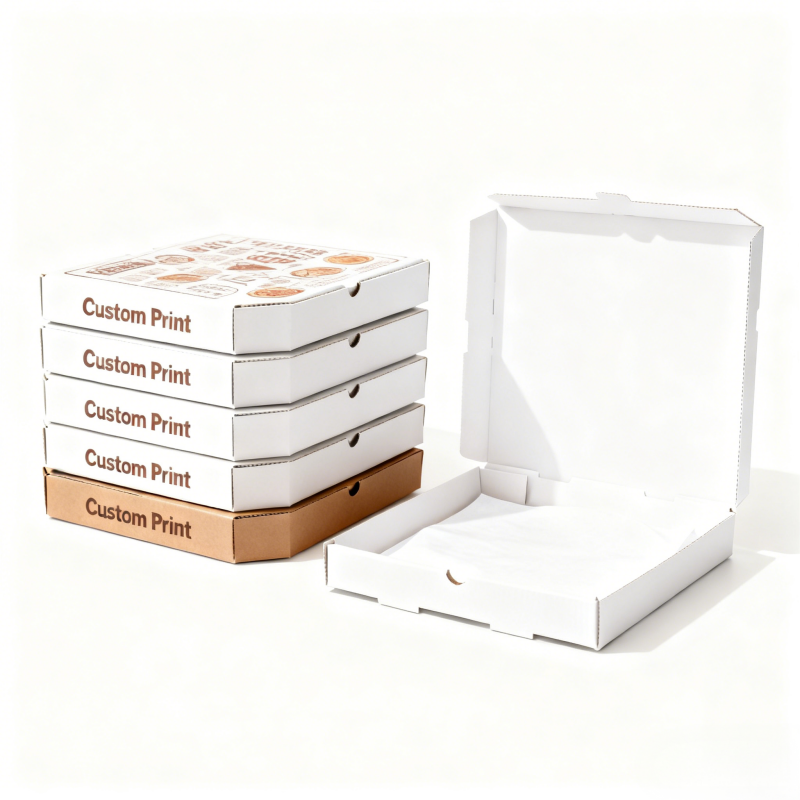
In the competitive world of food delivery and takeout, the pizza box serves as more than just a container—it is a crucial touchpoint for branding and customer experience. Beyond its fundamental role in keeping pizza hot and intact, the surface finish of a pizza packaging box significantly influences brand perception, functionality, and even environmental impact. Common treatments range from simple, uncoated surfaces to sophisticated printed and protective coatings, including plain kraft, high-quality printing, gloss or matte varnishes, and specialized food-grade barriers. Understanding these options allows pizzerias and restaurants to select the optimal custom pizza boxes that align with their brand identity, operational needs, and sustainability goals.
The most basic and eco-conscious finish is the plain or uncoated surface, typically found on standard kraft pizza boxes or recycled cardboard pizza boxes. This finish showcases the natural, raw texture of the paperboard, often in its classic brown kraft color. It projects an authentic, artisanal, or environmentally friendly brand image, as it is usually made from unbleached, recycled materials and is fully recyclable and compostable. However, an uncoated surface is more porous and offers minimal resistance to grease and moisture, which can be a limitation for particularly oily pizzas. For businesses prioritizing a rustic, sustainable aesthetic, plain kraft pizza boxes are an excellent choice, though they may require an internal liner for enhanced grease resistance.
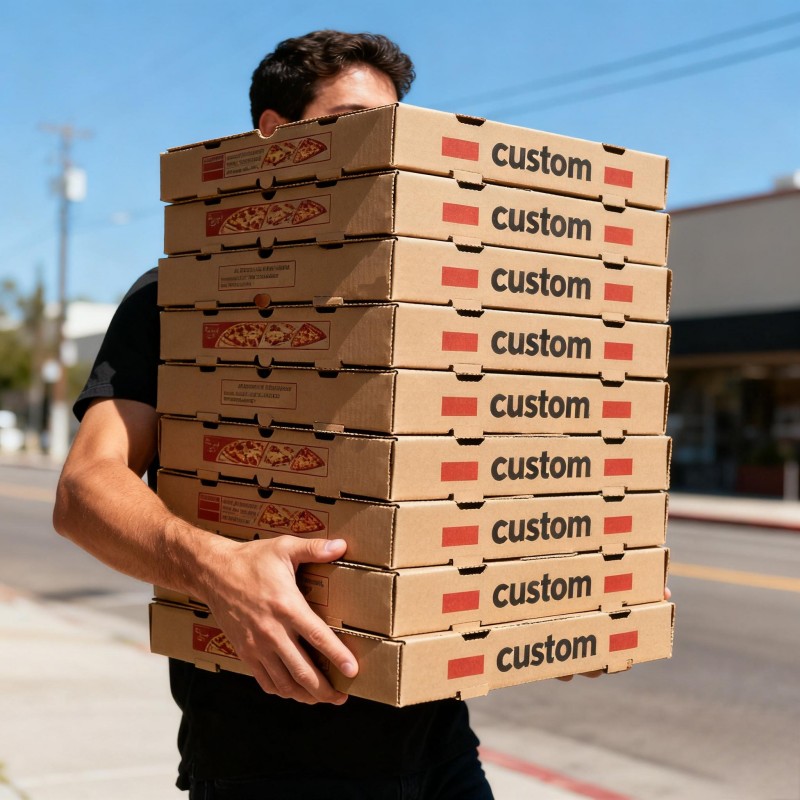
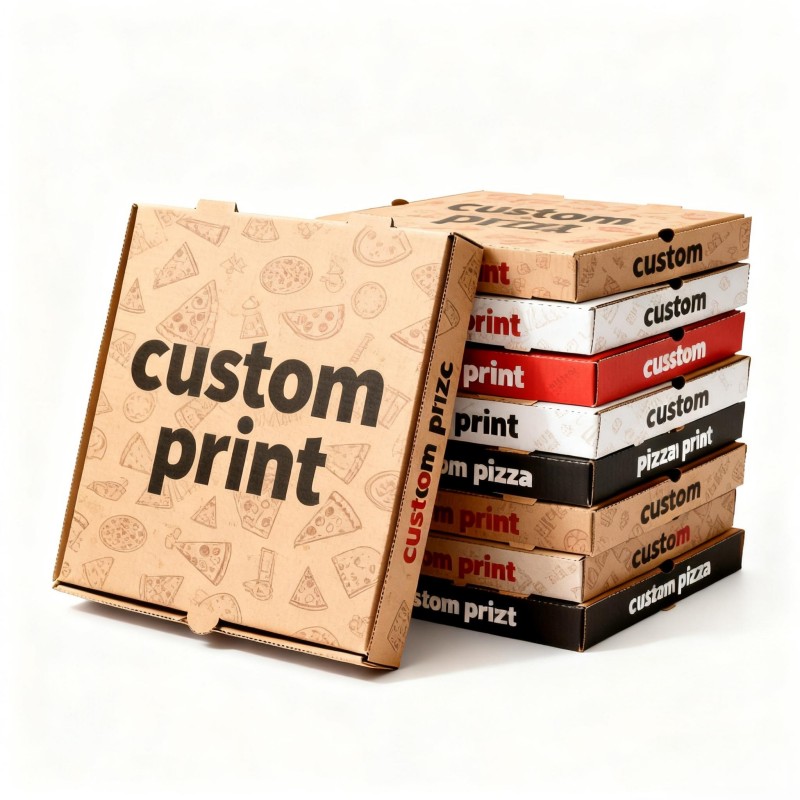
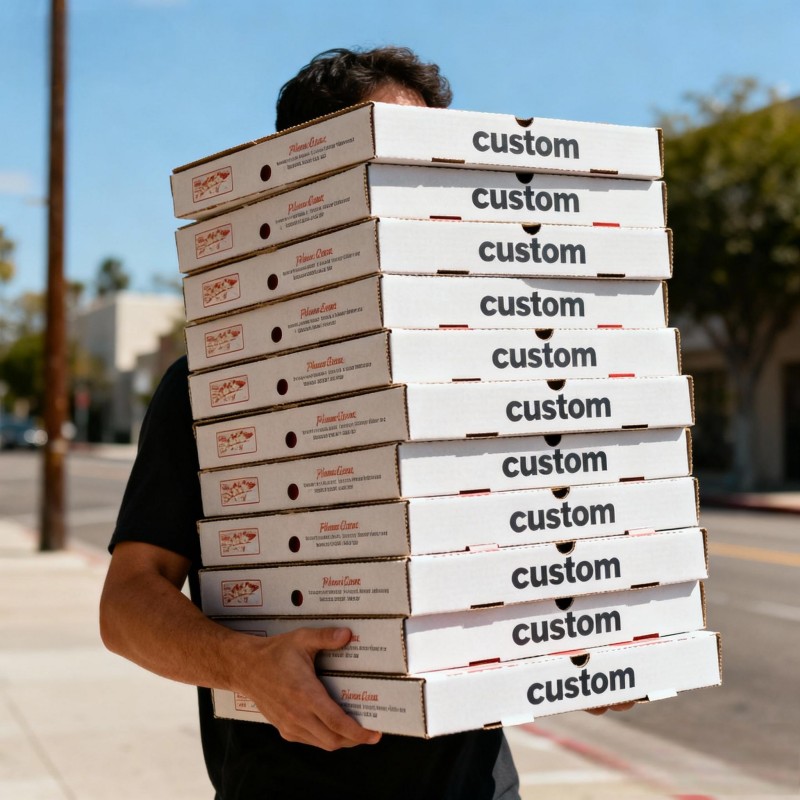
For brands looking to make a visual impact, printed finishes transform the pizza box into a powerful marketing canvas. Using techniques like flexographic or lithographic printing, logos, slogans, contact information, and vibrant graphics can be applied directly to the box surface. This is especially valuable for custom pizza boxes, where unique designs can reinforce brand recognition and customer loyalty. Printing can be done in single or multiple colors, allowing for creative freedom. However, the choice of ink is crucial; many manufacturers now use soy-based or water-based inks, which are more environmentally friendly than traditional petroleum-based options. A well-designed printed pizza packaging box not only protects the product but also travels through the neighborhood as a mobile advertisement.
pizza boxes
custom pizza boxes
kraft pizza boxes
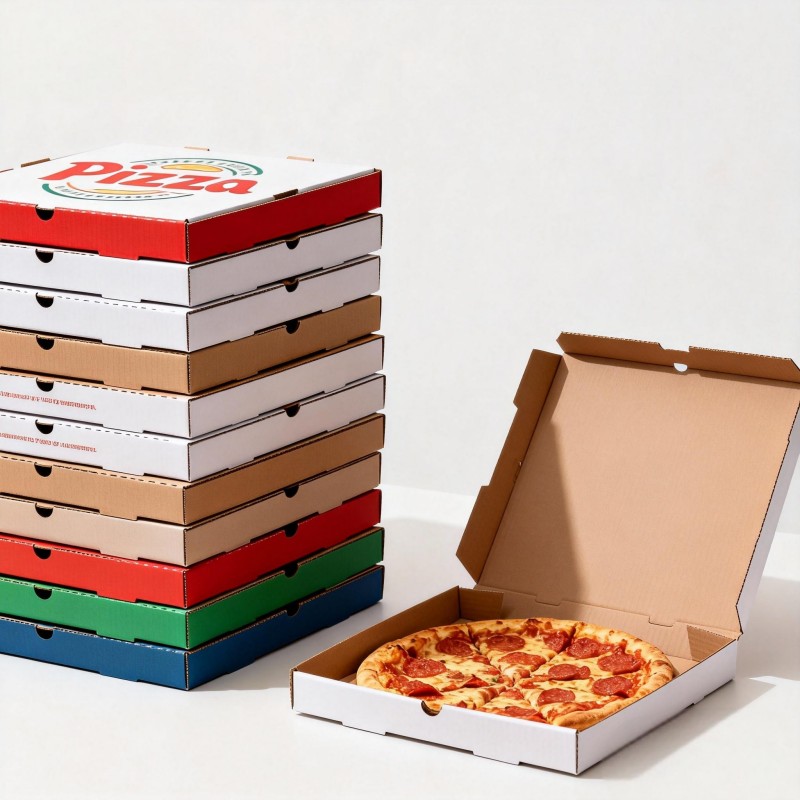
To enhance durability and visual appeal, protective coatings are often applied over the base material or printing. The two most common types are gloss and matte varnishes. A gloss coating creates a shiny, reflective surface that makes colors appear more vibrant and saturated. It also provides a slight barrier against scuffs and minor moisture. Conversely, a matte coating offers a sophisticated, non-reflective finish that feels smooth to the touch and conveys a premium, understated quality. Both coatings can be applied overall or as "spot" treatments to highlight specific design elements. For cardboard pizza boxes, these coatings must be carefully formulated to maintain the recyclability of the board, a key consideration for eco-conscious brands.
Perhaps the most functionally important treatment for a pizza packaging box is a food-grade, grease-resistant coating or barrier. This is often an internal treatment applied to the side that comes into contact with the pizza. Common solutions include:
Polyethylene (PE) Lamination: A thin plastic film that provides an excellent barrier against grease and moisture. While highly effective, it can complicate recycling in some municipal systems.
Perfluoroalkyl-free (PFA-free) Coatings: Modern, environmentally preferable alternatives to traditional grease-resistant chemicals. These water-based or bio-based coatings provide adequate resistance without containing persistent "forever chemicals."
Clay Coatings: A natural mineral coating that absorbs grease and improves the surface for printing.
For custom pizza boxes handling extra-cheesy or deep-dish pizzas, investing in a robust, food-safe barrier is essential to prevent box failure and maintain a professional presentation upon delivery.
The selection of a surface finish ultimately depends on a balance of branding, functionality, cost, and sustainability. A high-end pizzeria might opt for custom pizza boxes with sophisticated matte printing and a PFA-free internal barrier to project quality and responsibility. A fast-casual chain focused on eco-credentials might choose uncoated kraft pizza boxes made from 100% recycled content with simple, water-based ink branding. Meanwhile, a large delivery operation might prioritize cost-effective cardboard pizza boxes with a functional gloss coating and a reliable PE barrier for durability across a high volume of orders.
The modern pizza box is a product of significant engineering and design consideration. From the natural feel of plain kraft pizza boxes to the high-impact graphics of fully printed custom pizza boxes, and from the protective shine of a gloss coat to the essential functionality of a food-grade barrier, each surface treatment serves a distinct purpose. By carefully evaluating these options—plain, printed, gloss/matte, and food-grade coated—businesses can choose a pizza packaging box that not only delivers their product perfectly but also powerfully and responsibly communicates their brand's story to the customer.
cardboard pizza boxes
pizza packaging box
kraft pizza boxes
Related News
Read More >-
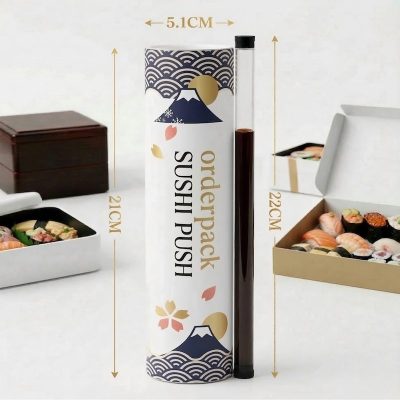
How Does Sushi Push Up Tube Packaging Improve Freshness?
Freshness is one of the most important qualities consumers expect from prepared sushi. After sushi is assembled, exposure to moisture, grease, handling, and the surrounding environment can affect its appearance and eating experience. A thoughtfully designed sushi push up tube provides a controlled packaging environment that helps protect the product during storage, transportation, and consumption.
-
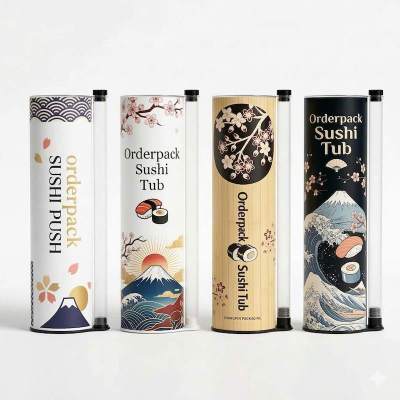
Why Choose Wholesale Sushi Push Up Tube Packaging?
As takeaway sushi and ready-to-eat food continue to develop, packaging needs to do more than simply hold a product. Restaurants, retailers, caterers, and food distributors are looking for packaging that combines food protection, convenience, presentation, and efficient purchasing. For these businesses, wholesale sushi push up tube packaging offers a practical format designed around the real needs of modern foodservice.
-
How Does Sushi Paper Tube Packaging Support Food Safety?
For takeaway and retail applications, the combination of a suitable sushi paper tube, food-contact-appropriate materials, effective handling procedures, and practical design can create a more reliable packaging solution. As consumers continue to value both convenience and hygiene, well-engineered paper sushi container formats such as the sushi roll tube and sushi push pop can provide useful support for modern sushi businesses.
-
Food Packaging Certifications: FDA, FSC, CE, BRCGS
FDA, FSC, CE, and BRCGS — four certifications every food packaging buyer asks about. ODPACK decodes what each certificate proves, which markets require it, and how to verify supplier documents before placing wholesale food packaging orders.
-
Compostable vs Recyclable: Choose Right for Foodservice
Compostable and recyclable packaging both claim sustainability, but each works only in specific foodservice conditions. ODPACK compares cost, durability, waste infrastructure, and end-of-life outcomes to help buyers choose the right food containers for every application.
-
EU PPWR Effective Aug 12: What Importers Must Do Now
The EU Packaging and Packaging Waste Regulation takes full effect August 12, 2026, with new PFAS limits on food packaging. ODPACK explains what Asian suppliers and importers must verify, document, and change before shipping into European markets.
-
MOQ Negotiation: 5 Tactics That Work for Chain Buyers
Minimum order quantity constraints block procurement flexibility for chain restaurants and wholesale buyers. ODPACK presents five proven MOQ negotiation tactics — from split-delivery structures to mixed-SKU bundling — that reduce per-unit risk without harming supplier relationships.
-
Plastic Packaging Regulations: A 2025-2027 Compliance Timeline
From the EU to California to Canada, single-use plastic packaging regulations are accelerating. ODPACK maps every major compliance deadline between 2025 and 2027, showing which food containers, bowls, and packaging categories face mandatory material changes and when.