How Can Pizza Boxes Be Designed to Reduce Cheese Sticking to the Lid?
2026-02-02 13:00
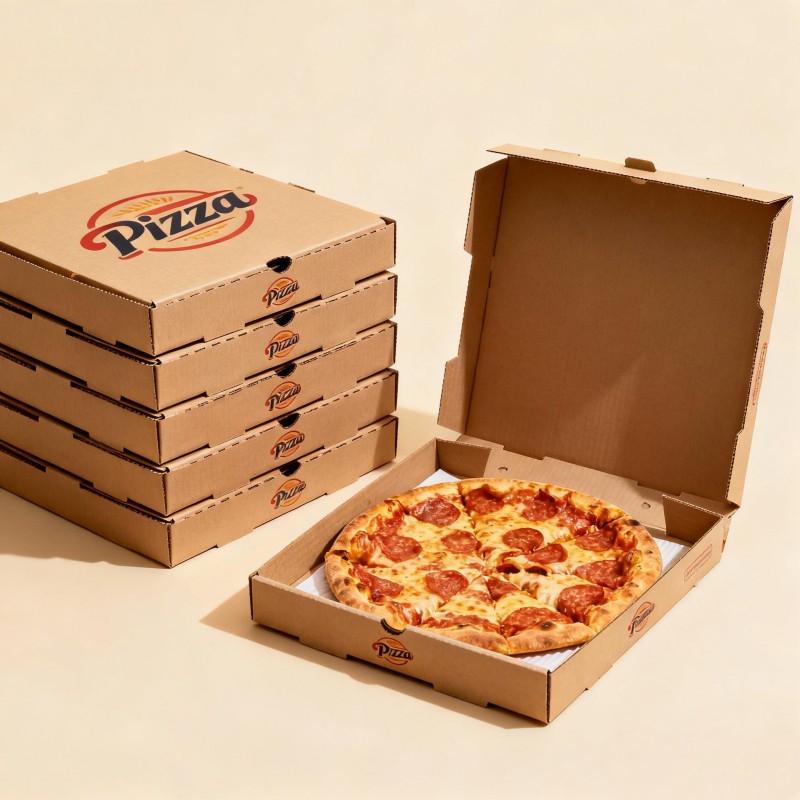
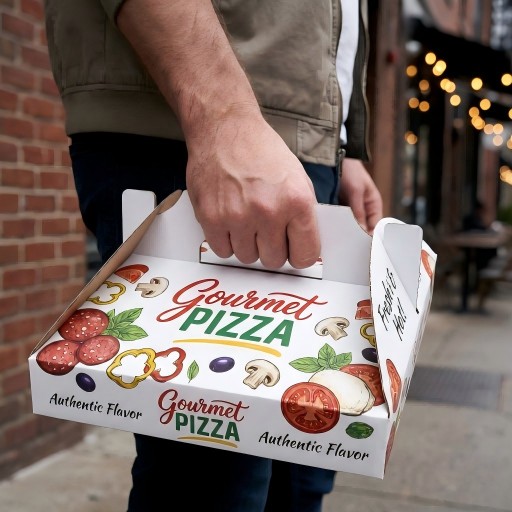
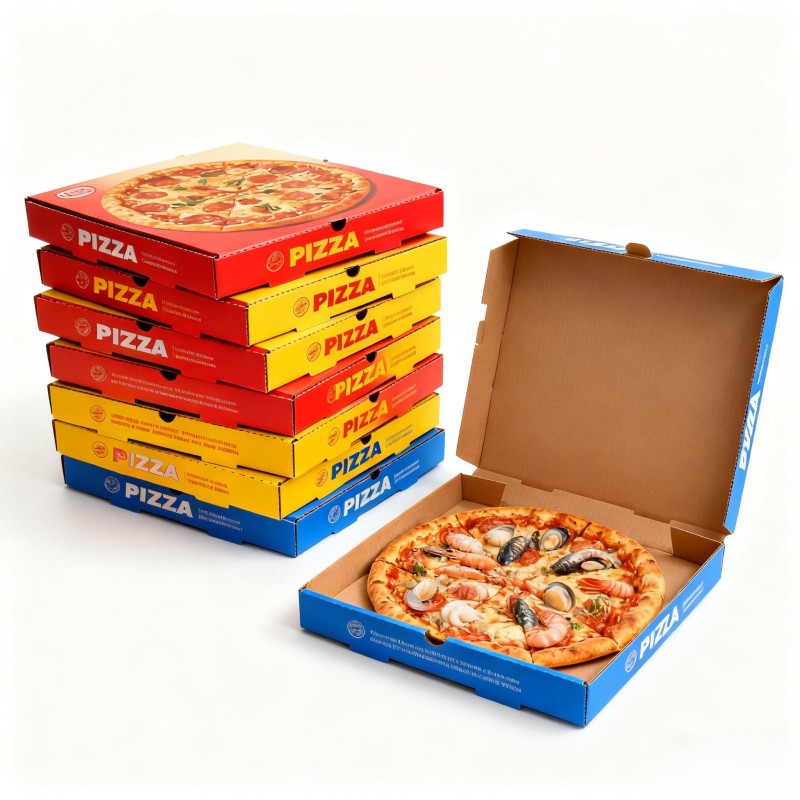
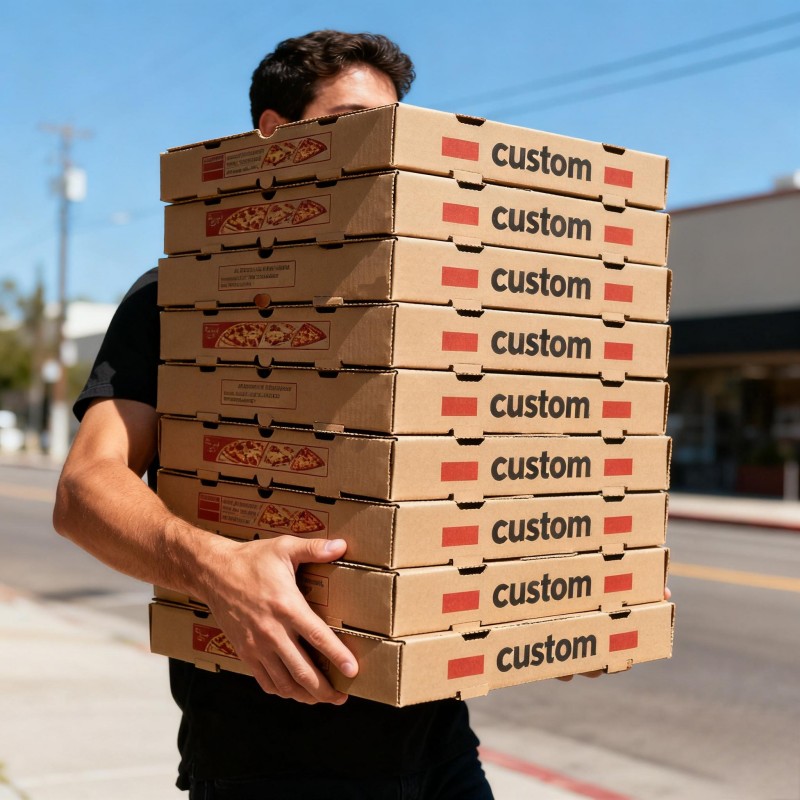
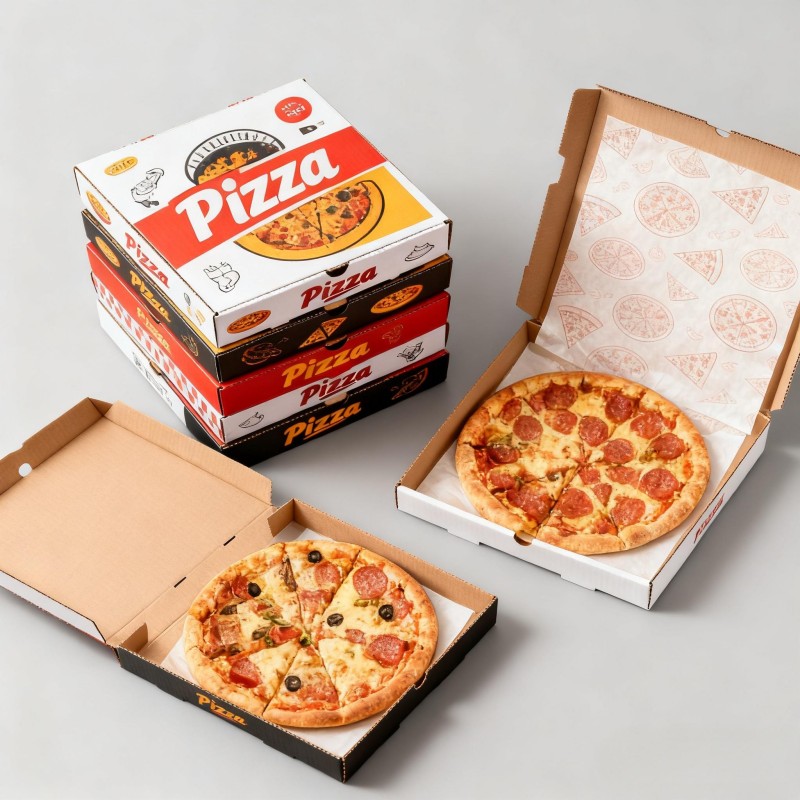
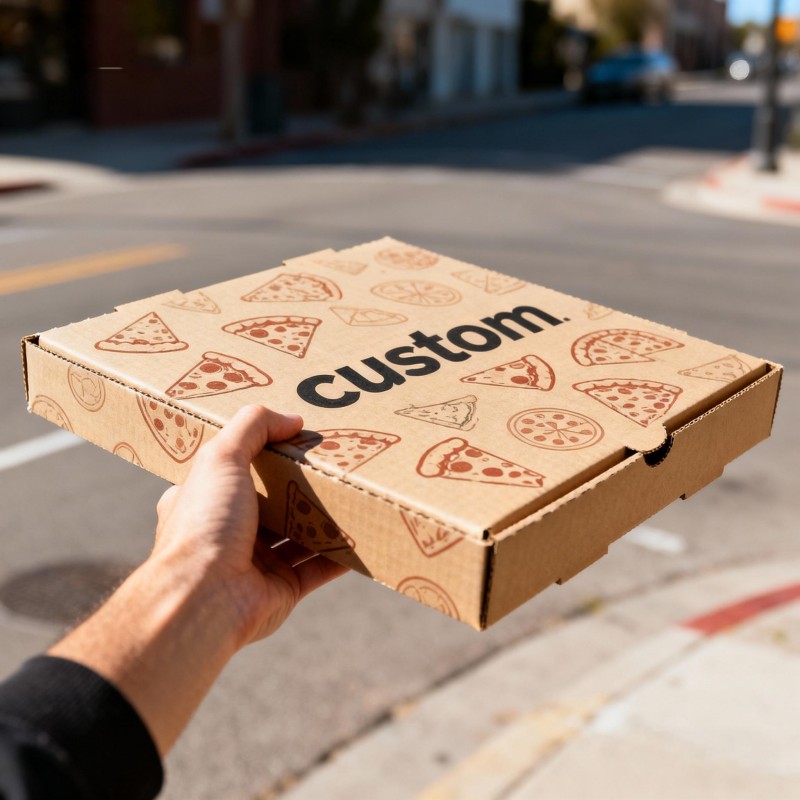
The universal frustration of pulling open a pizza box only to find a layer of delicious cheese firmly adhered to the inside of the lid is a culinary disappointment. This common issue compromises the presentation, portion integrity, and overall customer experience of a delivered or takeaway pizza. For pizzerias, addressing this problem is not merely about aesthetics; it directly impacts customer satisfaction and brand perception. Fortunately, through intelligent material science, structural engineering, and strategic design, modern pizza packaging box solutions can significantly minimize, if not eliminate, this sticky situation. The evolution from basic cardboard pizza boxes to advanced custom pizza boxes provides a toolkit for innovation.
The primary culprit behind cheese adhesion is steam. A hot pizza releases moisture vapor, which rises, condenses on the cooler inner surface of the lid, and creates a moist environment. The melted cheese, particularly the soft, stringy mozzarella common on many pizzas, then bonds to this damp cardboard surface as it cools. Therefore, effective design strategies focus on interrupting this cycle of condensation and contact.
Material Innovation and Surface Engineering
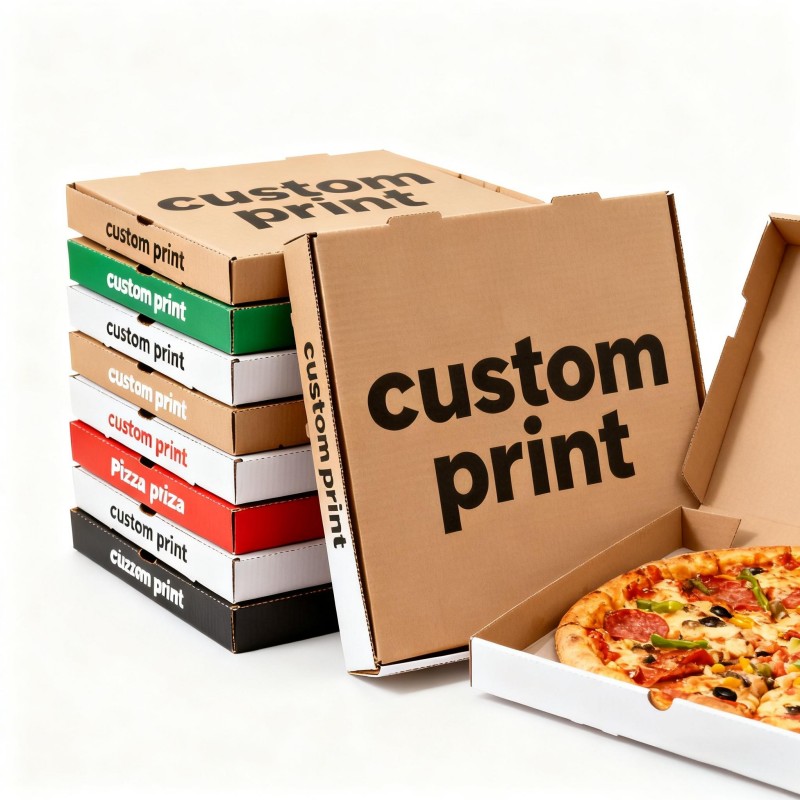
The foundation of a solution lies in the box material itself. Traditional, uncoated cardboard pizza boxes are highly porous and hydrophilic, readily absorbing moisture and providing a perfect adhesive surface for cheese. A primary upgrade is the use of kraft pizza boxes with integrated barrier coatings. Applying a thin, food-safe layer of polyethylene (PE) or polylactic acid (PLA) to the interior cardboard surface creates a non-absorbent, hydrophobic barrier. This coating prevents moisture from penetrating the cardboard, allowing condensation to form as discrete droplets (like on a non-stick pan) that are less likely to create a continuous gluey film. For a more sustainable approach, clay-coated or wax-impregnated boards can also reduce surface porosity. When designing custom pizza boxes, specifying such lined or coated kraft board is the most effective single step toward preventing sticking.
Structural Design for Ventilation and Airflow
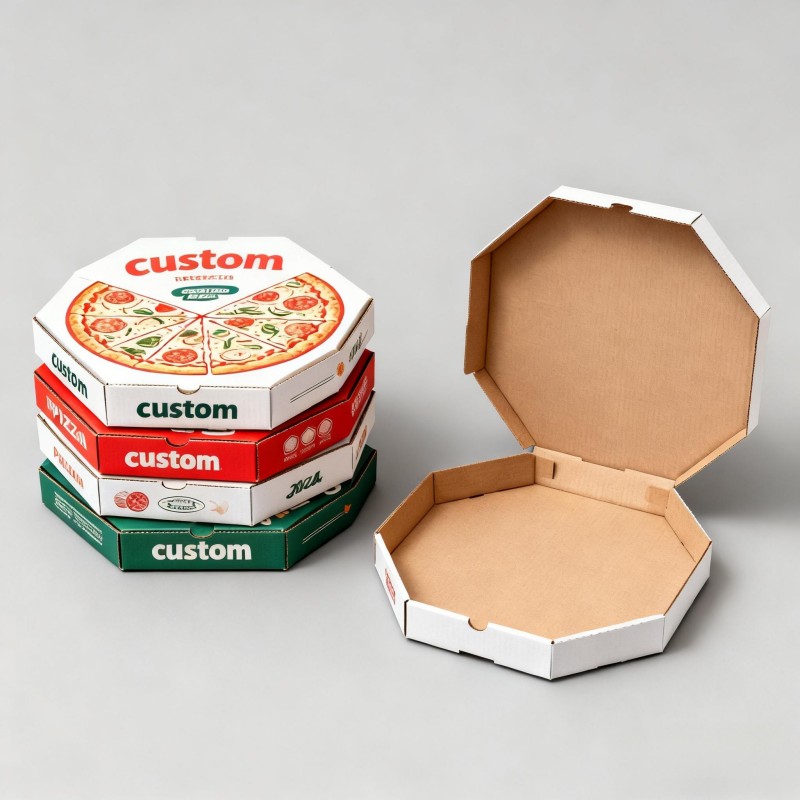
Beyond the material, the physical structure of the pizza packaging box plays a critical role. Strategic ventilation is key. While vent holes are often included to release steam and prevent sogginess, their placement and design can be optimized specifically to protect the lid. Vents located on the side walls of the box, rather than the lid itself, allow steam to escape laterally without first condensing directly above the pizza. Furthermore, incorporating a slightly domed or embossed lid design increases the internal air volume, creating a larger buffer zone between the pizza surface and the lid. This simple geometric change reduces the rate of heat transfer to the lid, lowering condensation, and provides a curved surface from which cheese is more likely to detach cleanly.
kraft pizza boxes
pizza packaging box
custom pizza boxes
cardboard pizza boxes
The Role of Physical Barriers and Functional Additives
For premium custom pizza boxes, integrating a dedicated physical barrier offers the highest level of protection. This can take the form of a food-grade parchment paper sheet placed over the pizza or, more innovatively, a grease-resistant and heat-resistant film laminated to the interior of the lid. Some designs feature a micro-perforated or textured film that further manages moisture. Additionally, the classic "pizza saver" (or package saver)—the small plastic tripod—serves this function by propping up the center of the lid, preventing direct contact with the cheese in the most vulnerable spot. Modern iterations of this concept include biodegradable or cardboard-based props integrated into the design of the pizza boxes themselves.
The Holistic Approach in Custom Design
Ultimately, the most effective pizza boxes will employ a combination of these strategies. A pizzeria investing in custom pizza boxes might specify: a PE-coated kraft pizza boxes interior for moisture resistance; a subtly domed lid structure for increased headspace; strategic side-wall venting; and an embossed or textured pattern on the lid's underside to minimize surface contact. For environmentally conscious brands, PLA coatings and integrated, foldable cardboard "lifters" replace plastic components.
Preventing cheese from sticking to the lid is a solvable engineering challenge within pizza packaging box design. By moving beyond passive cardboard pizza boxes to actively engineered solutions—utilizing coated materials in kraft pizza boxes, intelligent structural designs, and innovative features in custom pizza boxes—manufacturers and pizzerias can ensure their product arrives in pristine, appetizing condition. This focus on functional design not only enhances the customer's first visual impression but also delivers a superior culinary experience, slice after perfect slice.
custom pizza boxes
kraft pizza boxes
pizza packaging box
cardboard pizza boxes
Xiamen Order Pack Tech, Co., Ltd., as a professional manufacturer and supplier of disposable and environmentally friendly tableware and packaging, has been focusing on the production and sale of disposable food packaging products for over ten years. Our products include disposable cutlery, food packaging boxes, paper cups, paper bowls, paper plates, straws, paper buckets, wrapping paper, paper bags, and other biodegradable products.
Related News
Read More >-
How Does Sushi Push Up Tube Packaging Improve Freshness?
Freshness is one of the most important qualities consumers expect from prepared sushi. After sushi is assembled, exposure to moisture, grease, handling, and the surrounding environment can affect its appearance and eating experience. A thoughtfully designed sushi push up tube provides a controlled packaging environment that helps protect the product during storage, transportation, and consumption.
-
Why Choose Wholesale Sushi Push Up Tube Packaging?
As takeaway sushi and ready-to-eat food continue to develop, packaging needs to do more than simply hold a product. Restaurants, retailers, caterers, and food distributors are looking for packaging that combines food protection, convenience, presentation, and efficient purchasing. For these businesses, wholesale sushi push up tube packaging offers a practical format designed around the real needs of modern foodservice.
-
How Does Sushi Paper Tube Packaging Support Food Safety?
For takeaway and retail applications, the combination of a suitable sushi paper tube, food-contact-appropriate materials, effective handling procedures, and practical design can create a more reliable packaging solution. As consumers continue to value both convenience and hygiene, well-engineered paper sushi container formats such as the sushi roll tube and sushi push pop can provide useful support for modern sushi businesses.
-
Food Packaging Certifications: FDA, FSC, CE, BRCGS
FDA, FSC, CE, and BRCGS — four certifications every food packaging buyer asks about. ODPACK decodes what each certificate proves, which markets require it, and how to verify supplier documents before placing wholesale food packaging orders.
-
Compostable vs Recyclable: Choose Right for Foodservice
Compostable and recyclable packaging both claim sustainability, but each works only in specific foodservice conditions. ODPACK compares cost, durability, waste infrastructure, and end-of-life outcomes to help buyers choose the right food containers for every application.
-
EU PPWR Effective Aug 12: What Importers Must Do Now
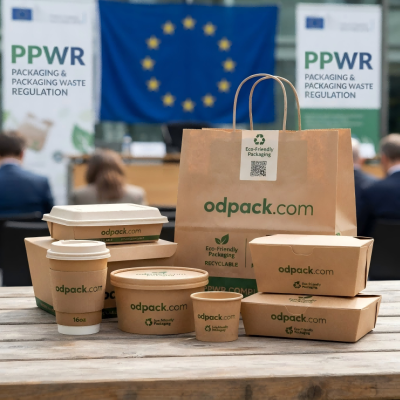
The EU Packaging and Packaging Waste Regulation takes full effect August 12, 2026, with new PFAS limits on food packaging. ODPACK explains what Asian suppliers and importers must verify, document, and change before shipping into European markets.
-
MOQ Negotiation: 5 Tactics That Work for Chain Buyers
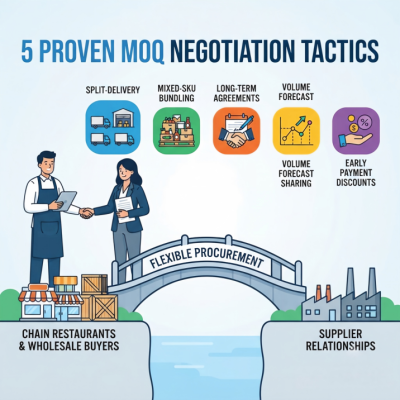
Minimum order quantity constraints block procurement flexibility for chain restaurants and wholesale buyers. ODPACK presents five proven MOQ negotiation tactics — from split-delivery structures to mixed-SKU bundling — that reduce per-unit risk without harming supplier relationships.
-
Plastic Packaging Regulations: A 2025-2027 Compliance Timeline
From the EU to California to Canada, single-use plastic packaging regulations are accelerating. ODPACK maps every major compliance deadline between 2025 and 2027, showing which food containers, bowls, and packaging categories face mandatory material changes and when.