

Paper Cup Coatings: EVA, Acrylic, PLA and PE Compared
2026-10-21 09:49
🧴 Why the Coating Decides the Cup
The paperboard gives a cup shape and stiffness, while the paper cup coating gives the barrier. Two cups built from the same 280 gsm board can behave completely differently once hot coffee sits inside, because the film controls heat resistance, seam integrity, and the end-of-life story.
Four systems dominate foodservice supply: water-based EVA, water-based acrylic, PLA, and PE. Two of the four carry the same label on a spec sheet, which is why buyers comparing quotes see "water based" twice and assume both behave alike. The production behaviour differs sharply. PLA coated cups and PE coated cups sit at opposite ends of the heat range, which explains why the two rarely compete for the same menu.
Buyers comparing a paper cup coating quote across suppliers should ask for the chemistry by name, because one label covers two very different films.
📊 The Four Systems at a Glance
| System | Heat Resistance | Film Character | Compost Pathway | Cost Index | Typical Use |
|---|---|---|---|---|---|
| Water-based EVA | Medium to high | Soft and flexible | Strong, widely certified | Medium | Compostable paper cups, cold and warm drinks |
| Water-based acrylic | High | Hard and stiff | Slower than EVA | Medium | Hot drinks needing a firm water barrier |
| PLA | Low, softens near 55 °C | Stiff | Certified industrial compost | Medium to high | PLA coated cups for cold and warm menus |
| PE | High | Tough and slightly waxy | None | Lowest | PE coated cups for high-volume hot and cold |
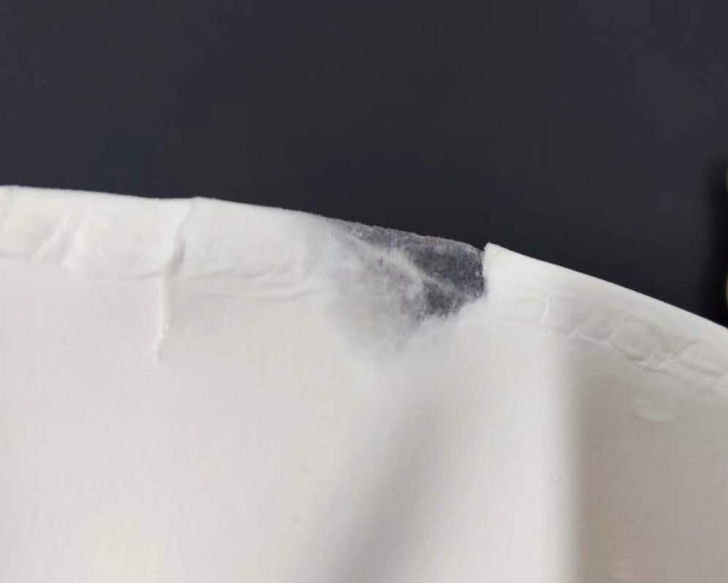
(PE Coating)
🌿 Water-Based EVA: The Flexible Workhorse
Why EVA suits high-speed cup production
The water based coating dries soft and stays soft, which is the source of most EVA advantages below.
The film stays soft after drying, so rim curling and side-seam pressing do not crack the coating.
Fold lines keep their barrier, which prevents base paper exposure and the wicking following a cracked film.
High-speed cup machines run EVA with a low burst-film rate, because the film stretches with the board rather than fracturing.
Printed sheets handle cleanly without film blocking, so stacked printed cups separate cleanly in the sleeve.
EVA also carries the stronger compost story. Many compostable paper cups in certified programmes select the EVA route first, because the soft dispersion breaks down well under industrial composting conditions and passes EN 13432 testing when the full construction is designed for the claim.
EVA strengths
Soft film, no cracking at curl or seam
Forgiving on high-speed machines
Strong compost performance
Clean printing, no blocking
EVA limits
Lower stiffness than acrylic
Heat ceiling below PE on very hot fills
Needs a certified full construction, not film alone
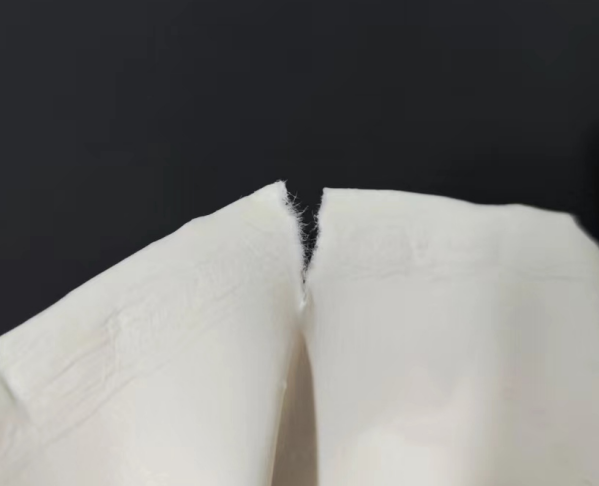
(Aqueous coating)
🧱 Water-Based Acrylic: The Stiff Barrier
Acrylic dispersions dry into a hard, tight film. The water based coating resists water and heat strongly, which makes acrylic a natural fit for hot drinks in the 85-90 °C range. Cups hold their barrier through a long hot soak without softening or weeping at the seam. Buyers evaluating a paper cup coating for 90 °C service should test the rim, because hardness and brittleness arrive together.
The same hardness creates the difficulty. A brittle film cracks where the board deforms most: at the rolled rim and along the side-seam fold. High-speed forming multiplies the risk, because the film has less elongation than EVA and fractures instead of stretching.
Acrylic strengths
Hard, stiff film with a firm hand feel
Stable in 85-90 °C hot drinks
Strong water resistance at the seam
Acrylic limits
Brittle at curl and fold positions
Higher burst-film risk at speed
Demands tighter board and machine control
Pure acrylic composts more slowly than EVA
Buyers selecting acrylic should expect the supplier to run a higher grade of board and a tighter machine setting. The trade is real: acrylic buys heat and stiffness, and pays for the gain in process control and a slower compost curve.
🌱 PLA and PE: The Two Extremes
PLA coated cups offer a certified compost route with a stiff film, and the heat ceiling sits around 55 °C. Cold drinks, iced coffee, and warm rather than boiling menus fit the material, while a 90 °C americano does not. Buyers ordering PLA coated cups for a menu drifting above 55 °C should move to another system rather than risk a softened rim.
PE coated cups deliver the widest heat range, the strongest moisture barrier, and the lowest unit cost. The trade sits at end-of-life: PE does not compost, and the liner also blocks paper recycling, so a cup sold as paper still travels to general waste. Most high-volume hot programmes still run PE coated cups, because the barrier tolerates near-boiling fills without distortion.
⚖️ Selection by Menu and Claim
| Requirement | Recommended System | Reason |
|---|---|---|
| Cold drinks plus compost claim | Water-based EVA | Soft film, strong compost result |
| Hot drinks at 85-90 °C plus recycle claim | Water-based acrylic | Heat stability with a paper-friendly route |
| Hot drinks, lowest cost, no claim | PE | Widest heat range at the lowest price |
| Iced and warm menu plus compost claim | PLA | Certified compost with a stiff film |
| Complex rim on a high-speed line | Water-based EVA | Fewer cracks and burst-film rejects |
| Long shelf life in humid storage | Acrylic or PE | Hardest barrier against moisture uptake |
Every paper cup coating decision should start from the serving temperature and the claim, because a water based coating covers two chemistries with opposite film behaviour. The same logic applies to PLA coated cups and PE coated cups, which sit at opposite ends of the heat range.
🔍 How to Verify a Coating Claim
Ask for the coating declaration. The document should name the chemistry behind the paper cup coating: EVA, acrylic, PLA, or PE, not just "water based".
Run a hot soak. Fill a sample with water at 90 °C, hold for 30 minutes, then inspect the seam and the rim for softening or wicking.
Flex the rim. Press and fold the rolled rim, then look for white fiber showing through. Exposed fiber means the film cracked.
Request the compost certificate. For compostable paper cups, the certificate number must cover the finished cup, not the film alone.
🏭 ODPACK Coating Lines
ODPACK runs all four coating systems across 20+ production lines in Xiamen, including water-based EVA, water-based acrylic, PLA, and PE. Each water based coating system runs on dedicated equipment, so the film chemistry is fixed at the line rather than swapped at will. Buyers receive a coating recommendation built from the menu temperature, the claim, and the production route rather than from a catalogue default.
Technical detail on wall construction and lid matching sits in the paper cup specification guide, and material-level comparison across fiber and plastic sits in the material selection matrix. Certified compostable paper cups ship with EN 13432 documentation covering the finished article.
🧪 Which Coating Fits Your Drink?
Send the serving temperature and the end-of-life claim — ODPACK will return a coating recommendation with 90 °C soak samples.
📧 info@orderpack.cn | 📞 +86 135 999 10171 | 🌐 odpack.com
❓ Frequently Asked Questions
Which coating is best for hot coffee?
Acrylic or PE for 85-90 °C service. Acrylic keeps a paper-friendly path with a hard, heat-stable film, while PE offers the widest heat range at the lowest cost. EVA suits warm rather than boiling menus.
Is water-based coating compostable?
Partly. A water based coating is not automatically compostable. EVA dispersions perform well in industrial composting and appear in many certified compostable paper cups, while pure acrylic breaks down more slowly. Certification must cover the finished cup under EN 13432.
Why do some cups crack at the rim?
A brittle film cracks where the board deforms most. Acrylic films fracture at the rolled rim and side seam on high-speed lines, while softer EVA films stretch with the board and keep the barrier intact.
Is PE being phased out?
Not in practice. PE coated cups remain the highest-volume choice for hot drinks because the barrier is strong and the cost is low. Regulatory pressure targets recyclability and PFAS rather than polyethylene itself.
EN 13432 — Packaging compostability standard (certification covers the finished article)
Regulation (EC) No 1935/2004 — Framework Regulation on Food Contact Materials
Commission Regulation (EU) No 10/2011 — Plastic food contact materials
Regulation (EU) 2025/40 — Packaging and Packaging Waste Regulation (PPWR)
US FDA 21 CFR Parts 176 and 177 — Paper and polymer food-contact components
ODPACK coating system and machine trial data, 2026
Related News
Read More >-
![Bagasse vs Kraft vs PP: A Material Selection Matrix]()
Bagasse vs Kraft vs PP: A Material Selection Matrix
Menu temperature, oil load, and end-of-life rules decide whether bagasse food packaging, kraft food containers, or plastic food containers fit. ODPACK builds a selection matrix by menu type.
-
![Thanksgiving Catering Packaging: A 2026 Order Timeline]()
Thanksgiving Catering Packaging: A 2026 Order Timeline
Catering teams finalize Thanksgiving menus through October, and packaging must clear production before the Q4 freight crunch. ODPACK maps a six-week order timeline with volume math.
-
![How Does Sushi Push Up Tube Packaging Improve Freshness?]()
How Does Sushi Push Up Tube Packaging Improve Freshness?
Freshness is one of the most important qualities consumers expect from prepared sushi. After sushi is assembled, exposure to moisture, grease, handling, and the surrounding environment can affect its appearance and eating experience. A thoughtfully designed sushi push up tube provides a controlled packaging environment that helps protect the product during storage, transportation, and consumption.
-
![Why Choose Wholesale Sushi Push Up Tube Packaging?]()
Why Choose Wholesale Sushi Push Up Tube Packaging?
As takeaway sushi and ready-to-eat food continue to develop, packaging needs to do more than simply hold a product. Restaurants, retailers, caterers, and food distributors are looking for packaging that combines food protection, convenience, presentation, and efficient purchasing. For these businesses, wholesale sushi push up tube packaging offers a practical format designed around the real needs of modern foodservice.
-
![How Does Sushi Paper Tube Packaging Support Food Safety?]()
How Does Sushi Paper Tube Packaging Support Food Safety?
For takeaway and retail applications, the combination of a suitable sushi paper tube, food-contact-appropriate materials, effective handling procedures, and practical design can create a more reliable packaging solution. As consumers continue to value both convenience and hygiene, well-engineered paper sushi container formats such as the sushi roll tube and sushi push pop can provide useful support for modern sushi businesses.
-
![Food Packaging Certifications: FDA, FSC, CE, BRCGS]()
Food Packaging Certifications: FDA, FSC, CE, BRCGS
FDA, FSC, CE, and BRCGS — four certifications every food packaging buyer asks about. ODPACK decodes what each certificate proves, which markets require it, and how to verify supplier documents before placing wholesale food packaging orders.
-
![Compostable vs Recyclable: Choose Right for Foodservice]()
Compostable vs Recyclable: Choose Right for Foodservice
Compostable and recyclable packaging both claim sustainability, but each works only in specific foodservice conditions. ODPACK compares cost, durability, waste infrastructure, and end-of-life outcomes to help buyers choose the right food containers for every application.
-
![EU PPWR Effective Aug 12: What Importers Must Do Now]()
EU PPWR Effective Aug 12: What Importers Must Do Now
The EU Packaging and Packaging Waste Regulation takes full effect August 12, 2026, with new PFAS limits on food packaging. ODPACK explains what Asian suppliers and importers must verify, document, and change before shipping into European markets.